







Photo by Unsplash
Top 10 Best Fixed vs Floating Rate Mortgage Options in Hong Kong
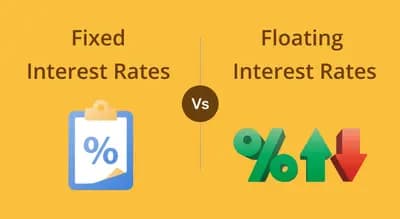
Choosing between a fixed-rate and a floating-rate mortgage in Hong Kong is one of the biggest financial decisions a homebuyer makes. A fixed rate locks your interest payment for a set period (usually 1, 2, or 3 years), so your monthly repayment stays predictable. A floating rate moves with the bank's prime rate, so your payment can rise or fall when rates change. This list compares 10 of the strongest fixed and floating mortgage offers available to Hong Kong borrowers, ranked by entry rate, break-even period, and overall economics. Every option below was re-verified in April 2026, and each one lets you vote on which lender offers the best value for your situation.
Location: HK2026101 views
Top10Grid rankings are decided by votes, not algorithms — use the buttons below to move this list.
Current Rankings
Vote items up or down — rankings update instantly
Get the weekly finance rundown
Only lists published since the last email. Join the early readers.
- Only Top 10s published in the last 7 days
- One email a week — and none at all in a week with nothing new
- Unsubscribe in one click
No spam. One email per week. Unsubscribe anytime.
Fixed vs Floating Rate Mortgages: Key Questions
When does a fixed-rate mortgage break even vs floating?
Break-even depends on how long the fixed rate stays lower than the floating rate (typically prime-linked). Most fixed rates on this list lock in for 1–3 years.
Is a 3-year fixed worth it over a 1-year?
Longer lock-ins (e.g., Hang Seng 1-Year Fixed at 3.55%) offer flexibility but may cost more upfront. 3-year options provide more stability if rates rise.
What is prime-based floating?
Floating rates track Hong Kong's Best Lending Rate or HIBOR. When prime falls, your payments decrease; when it rises, they increase.
Fixed vs Floating Rate Mortgage in Hong Kong: Common Questions
## What is the difference between a fixed-rate and a floating-rate mortgage in Hong Kong?
A fixed-rate mortgage keeps the same interest rate for a set period (commonly 1, 2, or 3 years in Hong Kong). Your monthly repayment does not change during that lock-in. A floating-rate mortgage is tied to the bank's prime rate and moves up or down when the prime rate changes, so your repayment can shift mid-loan.
## When does a fixed rate usually make sense?
A fixed rate generally makes sense when you want predictable payments, when you expect rates to rise, or when you plan to stay in the property through the entire lock-in period so you do not pay an early repayment penalty.
## When does a floating rate usually make sense?
A floating rate often makes sense when you expect rates to fall, when you plan to sell or refinance before the fixed period ends, or when you want a lower starting rate than the fixed offers available.
## What is a break-even period?
The break-even period is the point at which the savings from choosing one structure over another outweigh the early repayment fee you would pay to switch. Shorter break-even periods are friendlier to borrowers who may move or refinance.
## How current is this list?
Every offer on this list was re-verified in April 2026. Rates, lock-in terms, and conditions at Hong Kong banks change frequently, so always confirm the latest numbers with the lender before applying.
Readers Also Ranked
More Lists Like This

Top 10 CoinGecko — Top Cryptocurrencies — April 20, 2026
- #1Bitcoin (BTC)
- #2Ethereum (ETH)
- #3Tether (USDT)

Top 10 CoinGecko — Top Cryptocurrencies — May 2, 2026
- #1Bitcoin (BTC)
- #2Ethereum (ETH)
- #3Tether (USDT)

Top 10 CoinGecko — Top Cryptocurrencies — May 5, 2026
- #1Bitcoin (BTC)
- #2Ethereum (ETH)
- #3Tether (USDT)
Top 10 Most Disruptive Startups of 2025
- #1OpenAI
- #2Anthropic
- #3Perplexity AI
Frequently asked questions
What is the main difference between fixed and floating rate mortgages in Hong Kong?
Fixed-rate mortgages lock in an interest rate for a set period, protecting you from rate hikes, while floating-rate mortgages adjust periodically based on benchmarks like HIBOR or Prime Rate, which can lead to lower initial payments but higher risk if rates rise.
Which mortgage type is better in a rising interest rate environment?
Fixed-rate mortgages are generally better when rates are expected to rise, as they lock in a stable rate and shield you from higher payments, whereas floating rates would increase with the market.
How are floating rates in Hong Kong typically calculated?
Floating rates in Hong Kong are often linked to either HIBOR (Hong Kong Interbank Offered Rate) or the bank's Prime Rate, plus a fixed spread, with HIBOR-based loans being more market-sensitive and Prime-based ones more stable.
What are the common pros of a floating-rate mortgage?
Floating-rate mortgages usually offer lower initial interest rates and can decrease when market rates fall, giving potential savings; they also often come with more flexible prepayment terms than fixed-rate plans.
Is there a penalty for switching from a fixed to a floating rate mortgage in Hong Kong?
Yes, most fixed-rate mortgages in Hong Kong have early repayment penalties or lock-in periods, so switching before the fixed term ends typically incurs a fee, often a percentage of the outstanding loan amount.
Discussion
Have a take on this ranking?
Comments are how the argument actually happens here. Posting one needs a free account — it takes about a minute.
No comments yet.
The first comment sets the terms of the argument.
Would your top 10 look different?
Publish your own ranking of this topic. Your list gets its own page, and readers vote on it the same way you just voted on this one.
Build your own Top 10You might also want to rank…
 Top 10 Best Travel Rewards Credit Cards in Hong Kong (2026)
 Top 10 European Stock Exchanges 2026
 Top 10 European Commercial Banks by Total AssetsTop 10 European Hedge Funds by AUM
Explore more Finance rankings on Top10Grid
People Also Explore
Because you're viewing Finance

Top 10 CoinGecko — Top Cryptocurrencies — August 23, 2026
51 views · 0 votes
Top 10 CoinGecko — Top Cryptocurrencies — August 22, 2026
58 views · 0 votes
Top 10 Cryptocurrencies by Market Cap — August 12, 2026
59 views · 0 votes
Top 10 CoinGecko — Top Cryptocurrencies — August 26, 2026
61 views · 0 votes
Top 10 CoinGecko — Top Cryptocurrencies — August 20, 2026
65 views · 0 votes

Top 10 CoinGecko — Top Cryptocurrencies — August 18, 2026
67 views · 0 votes
You might also like

FINANCESame type
Top 10 Best Home Loan Interest Rates in Hong Kong (2026)
10 items
FINANCESame type
Top 10 Best Cashback Credit Cards in Hong Kong (2026)
10 items
FINANCESame type
Top 10 Best Travel Rewards Credit Cards in Hong Kong (2026)
10 items
FINANCESame type
Top 10 US Mortgage Lenders by Origination Volume
10 items

FINANCESame type
Top 10 Best Fixed Deposit Rates in Hong Kong (6-Month) — July 2026
10 items
FINANCESame type
Top 10 European Insurance Regulations That Reshaped the Industry (2011–2025)
10 items