mingche lee / Pexels
Top 10 Cheapest Ways to Get Around Hong Kong in 2026
Ten cheap ways to travel in Hong Kong, from free walks and the flat-fare tram to minibuses, ferries and money-saving fare schemes.
Top10Grid lets the community re-rank anything — this order is our editors' pick for now; use the buttons below to vote it up or down.

Current Rankings
- –#1
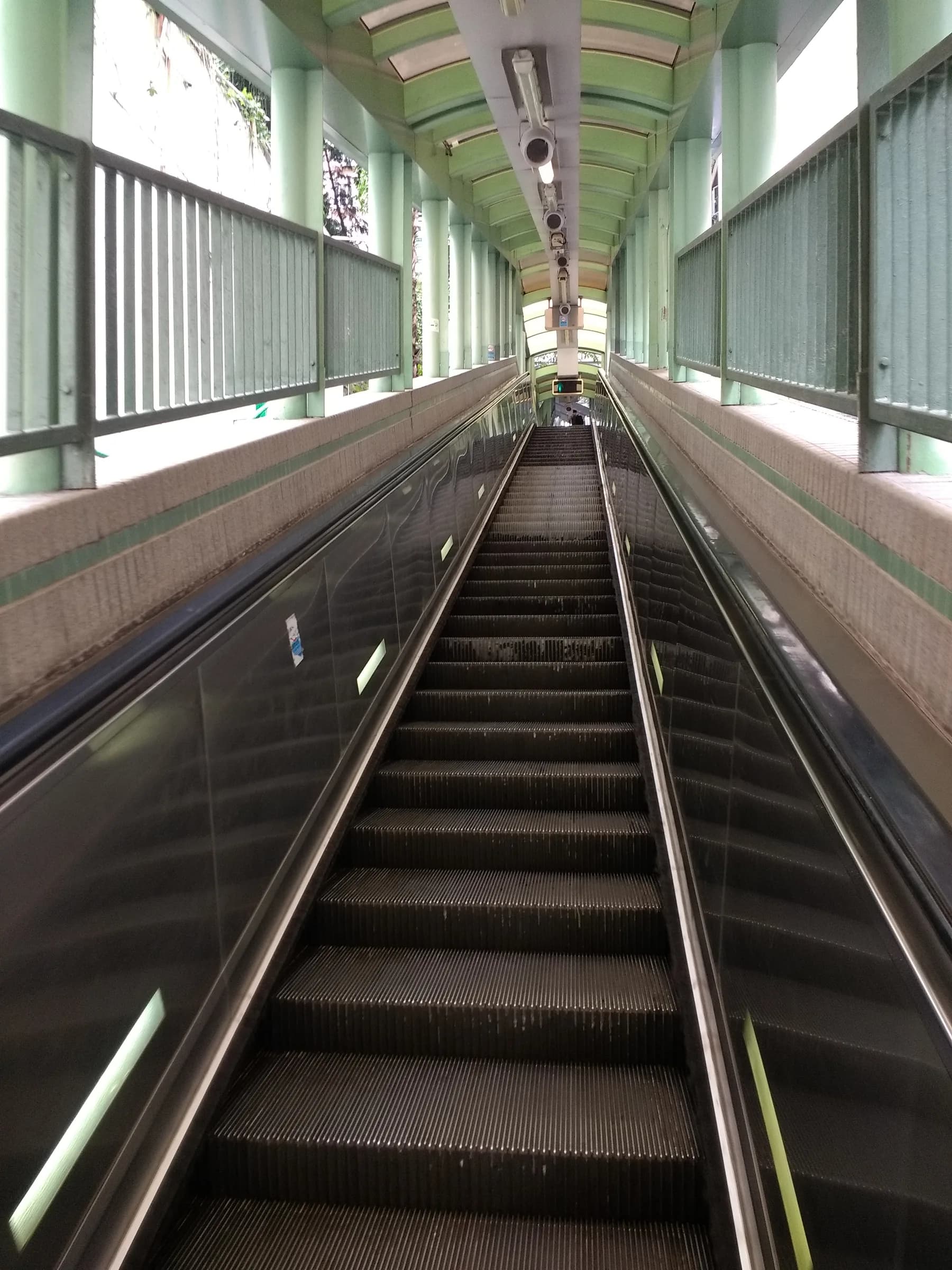
Walking costs nothing and, in the dense, harbour-hugging core of Hong Kong Island and Kowloon, it is frequently the fastest door-to-door option for short hops, not just the cheapest. The city's grid of elevated, covered footbridges and harbourfront promenades means you can cover a surprising amount of ground without touching a road crossing or paying a single dollar of fare. Three corridors do the most work for visitors. Central to Sheung Wan is a short, essentially flat walk of roughly 1.5-2 km (about 20-25 minutes) along Des Voeux Road Central or the parallel Bonham Strand/Wing Lok Street antique and dried-seafood streets, and it beats waiting for a tram or bus for such a short distance. Central to Wan Chai via the Central and Western District waterfront promenade and the elevated Central Elevated Walkway past IFC, the Star Ferry pier, the Central Government Offices and Tamar Park is longer, around 2.5-3 km (30-40 minutes), but it is sheltered from traffic, largely shaded or covered, and arguably the most scenic walking route in the city. Tsim Sha Tsui to Hung Hom along Salisbury Road/Middle Road, or via the Kowloon waterfront, covers about 2 km and is a genuine alternative to a one-stop MTR ride. Hong Kong Island's terraced topography also means some of its most useful pedestrian infrastructure is mechanical: the Central-Mid-Levels Escalator and walkway system covers 800 metres of horizontal distance and climbs more than 135 metres in elevation via 18 escalators and three inclined moving walkways, running downhill only from 6:00 to 10:00 and uphill for the rest of the day until midnight - it is free to use and saves a steep, sweaty climb through the SoHo district. Nearby stepped 'ladder streets' such as Pottinger Street are a reminder that a route that looks flat on a map may in fact be stairs. Walking is worth it for any single leg under about 2 km in the flat waterfront core, for connecting between two nearby transit stops, or when you are already outdoors near your destination; it is not a substitute for crossing the harbour itself, which still requires a ferry, the MTR or a road tunnel. The main real-world pitfall is climate: Hong Kong Observatory's 1991-2020 climate normals put mean relative humidity at 81-82% in June-August against 70-79% in December-February, with mean daily maximum temperatures of 30.7-31.6°C in summer versus 18.7-19.4°C in winter, so a walk that feels trivial in January can be genuinely draining in July and August, especially on the stepped sections. Severe weather is the other constraint: when the Hong Kong Observatory hoists Typhoon Signal No. 8 or above, or a Red or Black Rainstorm Warning, ferries, trams and buses curtail or suspend service well before conditions become dangerous for pedestrians, so an exposed harbourfront or elevated walkway is not automatically a safe fallback in high wind or flooding - the right move in those signals is to shelter, not to walk on. Overnight, some elevated walkways and escalator sections close or reduce hours, and Central's narrow pavements get genuinely congested during the evening rush.
- –
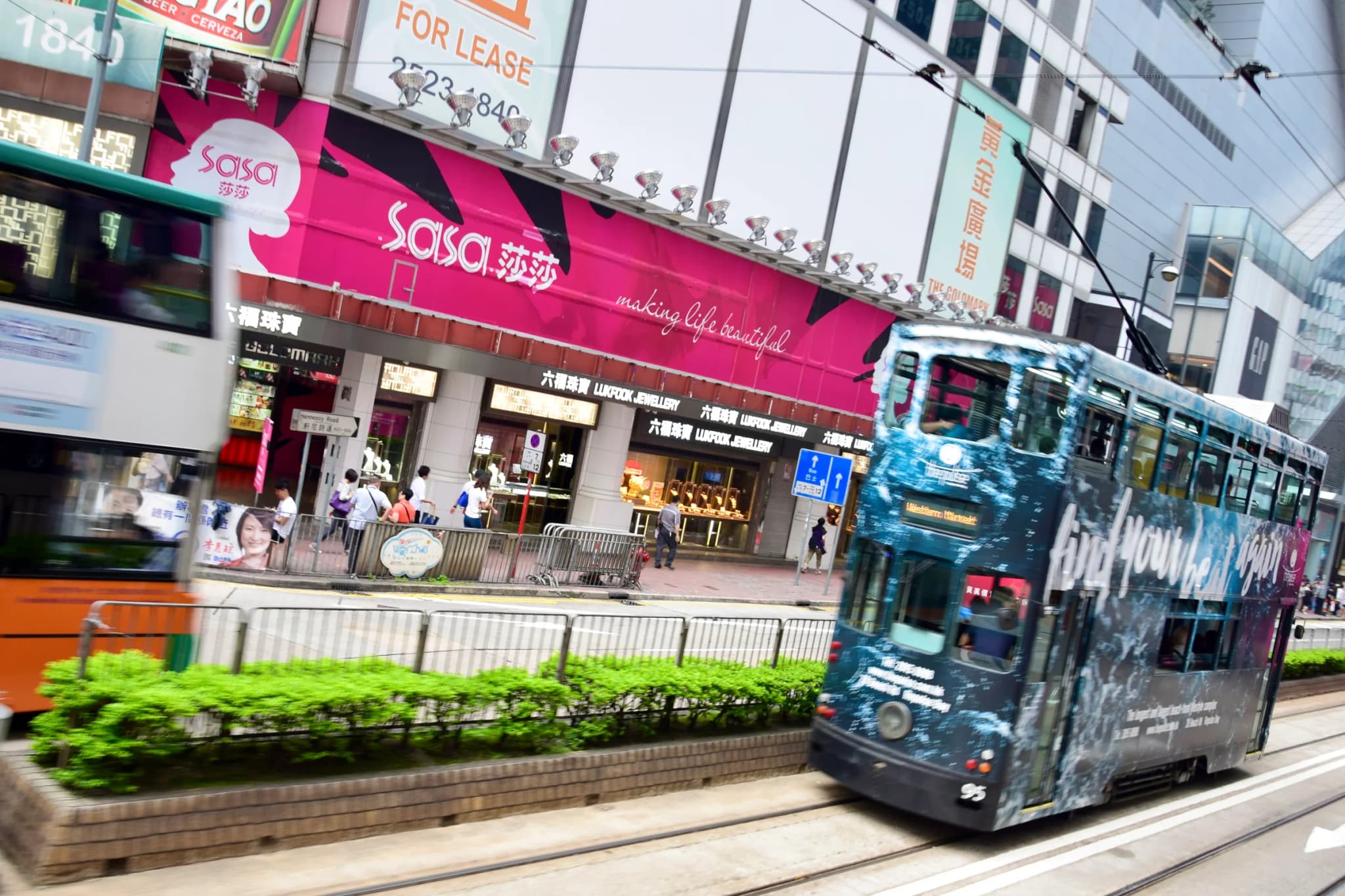
Hong Kong Tramways, universally nicknamed "Ding Ding" for the bell drivers ring, is a flat-fare double-decker tram network that has run along the north shore of Hong Kong Island since 1904, making it one of the cheapest ways to cover a long distance in the city. As of the operator's current published fares (hktramways.com), the flat fare is HK$3.30 for adults, HK$1.60 for children aged 3 to under 12, and HK$1.50 for senior citizens 65 and over, with a monthly ticket priced at HK$260.00 — figures current as of September 2026; the fare is identical whether you tap an Octopus card, pay cash into the coin box at the front exit (no change given), or use a supported mobile/QR/card payment (Visa, Mastercard, UnionPay, JCB, Amex, Apple Pay, Google Pay, Samsung Pay, Huawei Pay, AlipayHK, Alipay, UnionPay QR, BoC Pay or WeChat Pay). Crucially, the fare does not change with distance travelled - board at the rear, ride as far as you like, and pay the same flat rate on exit at the front - which is what makes the tram the best cost-per-kilometre option in the city for a long point-to-point trip along the corridor it serves. The network runs six main routes between Kennedy Town in the west and Shau Kei Wan in the east, plus a loop branch through Happy Valley, via around 120 stops spaced roughly 250 metres apart on average (per the operator's own network description). Independent route-length figures put the mainline at about 13 km with a further 2.6 km Happy Valley loop, for roughly 30 km of track carrying a fleet of 165 double-decker trams, reportedly the largest double-decker tram fleet still in service anywhere. First and last services vary by route segment but the network broadly operates from around 05:00 to just after midnight daily. The tram is at its best for longer hauls along its own corridor - Causeway Bay to Sheung Wan, or Wan Chai to Kennedy Town, for example - where the flat fare undercuts both the MTR and buses for the same distance, and the open upper-deck front seats give unmatched street-level sightseeing of Hong Kong Island's older neighbourhoods. It is a poor choice when speed matters: trams share the road with traffic and stop roughly every 250 metres, so a trip that takes eight minutes on the MTR can easily take 25-30 on the tram. The network only covers the north shore of Hong Kong Island - it does not reach the south side (Aberdeen, Stanley, Repulse Bay) or cross to Kowloon at all, so it is only useful when your journey actually sits on its corridor. Standing room only at rush hour is common, boarding is at the rear and exit (with payment) at the front, which catches out first-time riders, and services can be disrupted by road traffic incidents or severe weather like any street-running mode.
- –
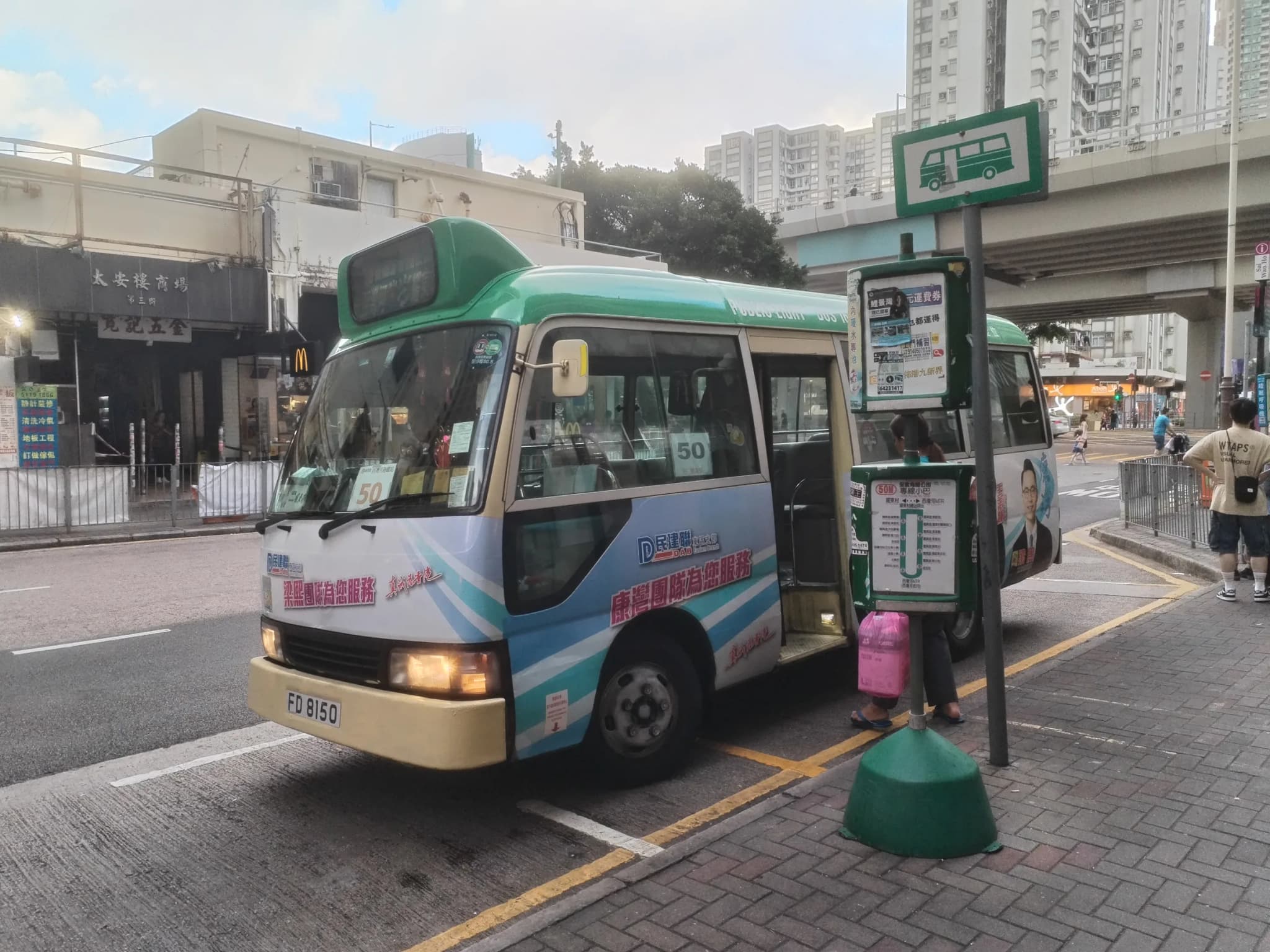
Hong Kong's public light buses split into two liveries that behave completely differently, and knowing which is which saves both money and confusion. The green minibus (綠色專線小巴, GMB) runs a fixed route on a scheduled headway for a fixed fare that the Transport Department itself sets and approves, route by route — essentially a smaller, nimbler layer of the franchised bus network. Its red counterpart operates more like a shared taxi: government does not regulate its routes, timetable, or price, and drivers adjust all three to demand as they go. As of September 2025, Hong Kong had 361 GMB routes (67 on Hong Kong Island, 83 in Kowloon, 211 in the New Territories) served by 3,357 licensed vehicles carrying roughly 1,329,100 passenger trips a day — more than double the red minibus network's ridership. Every seat counts literally: vehicles are licensed for a maximum of 16 or 19 seated passengers and standing is banned outright, with mandatory speed alarms and a driver-facing digital speedometer since 2012. On payment, the picture has changed from the old cash-only reputation — GMBs now accept Octopus card as their standard fare method, in contrast to red minibuses, where only a handful of vehicles are Octopus-equipped and cash still dominates. Where GMBs earn their keep is filling gaps the MTR simply doesn't reach: Sai Kung town has no MTR station at all, and GMB routes 1A (from Choi Hung) and 101M (from Hang Hau) are the direct minibus links tying the town to the rail network, alongside similar feeder routes into New Territories hillside estates and village clusters that full-size buses can't navigate on narrow, winding roads. Minibus fares generally run slightly higher than equivalent standard bus fares, but remain a fraction of a taxi and are often the only public option at all for these last-mile connections. Real pitfalls to know before boarding: many routes don't post a fixed printed timetable the way KMB or MTR do, so locals track departures by headway and app rather than a posted schedule; seatbelts must be worn (all seats are belted, and it's routinely enforced); and on the shrinking number of cash-fare routes, drivers don't always carry small change for large notes, so it pays to have close to exact fare ready.
- –
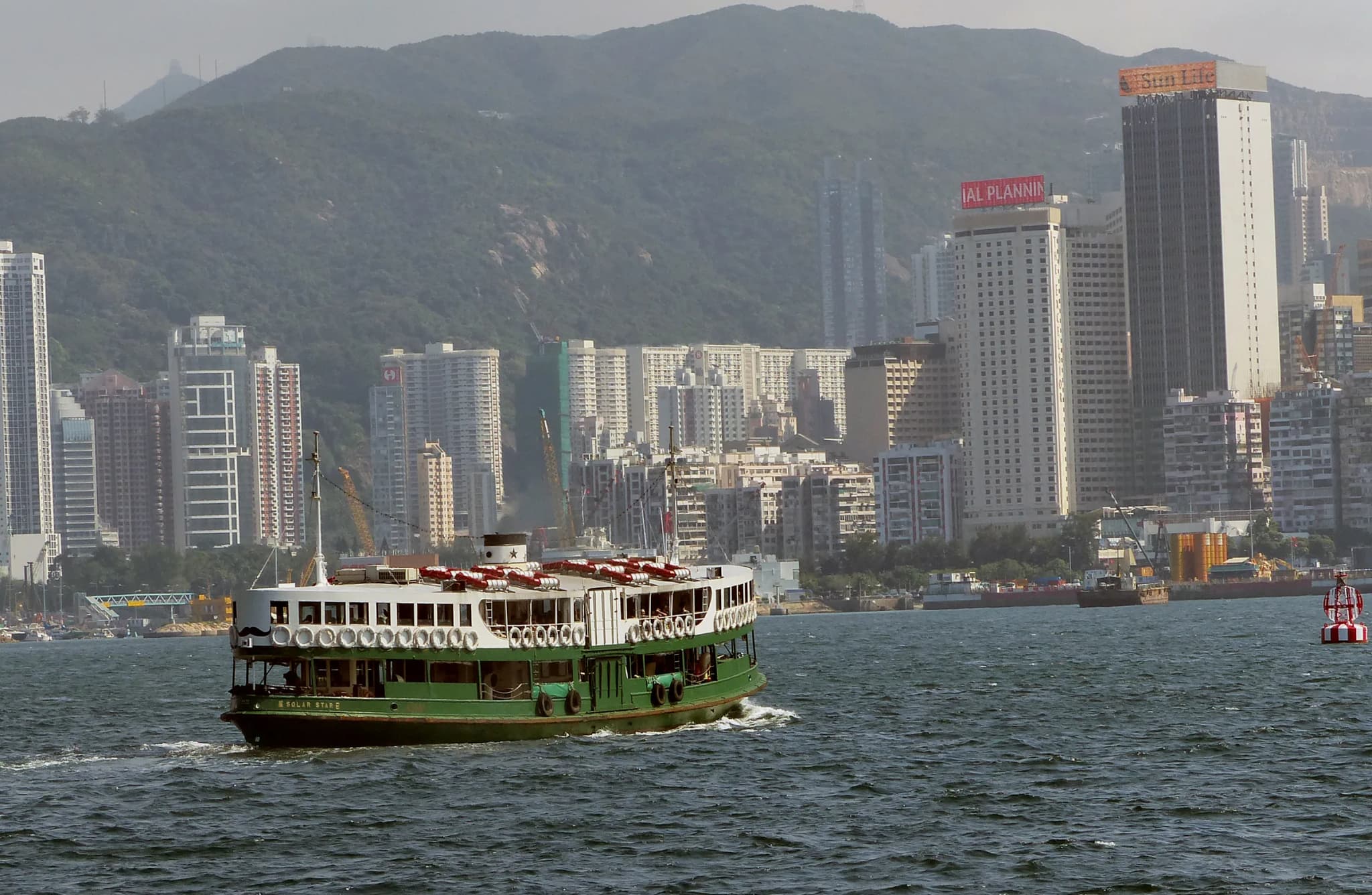
The Star Ferry has carried passengers across Victoria Harbour since 1888 (as the Kowloon Ferry Company, renamed Star Ferry in 1898) and remains one of the cheapest, most scenic ways to cross between Hong Kong Island and Kowloon. Two routes currently operate. The classic Central to Tsim Sha Tsui crossing, per the operator's own published fare table (starferry.com.hk), charges an adult HK$5.0 for the upper deck and HK$4.0 for the lower deck on weekdays (Monday-Friday, excluding public holidays), rising to HK$6.5 (upper) and HK$5.6 (lower) on Saturdays, Sundays and public holidays — fares current as of September 2026; children aged 3-11, seniors 65+ and registered disabled passengers pay HK$2.9/HK$2.8 (upper/lower) on weekdays and HK$3.9/HK$3.7 on weekends, with eligible elderly/disabled Octopus holders able to use the government's HK$2 concession scheme instead. Sailings run roughly every 6-12 minutes depending on time of day, with a first departure around 06:30 and last around 23:30 daily. The second route, Wan Chai to Tsim Sha Tsui, charges a single adult fare of HK$5.0 on weekdays and HK$6.5 on weekends with no upper/lower deck price split, because the lower deck on this route does not carry passengers at all (up to ten bicycles only, HK$25.0 per bicycle); sailings run every 8-20 minutes and the corridor operates roughly 07:20-23:00. A Four-Day Tourist Pass (HK$50.0) gives unlimited rides on both routes, and a monthly pass costs HK$190.0. All fares apply equally whether paid by Octopus, HKD cash (notes and coins accepted, change given) or contactless/QR payment (WeChat Pay, Alipay, UnionPay QuickPass, major credit cards) at the self-service ticket machines - there is no separate cash-vs-Octopus pricing tier as on some other Hong Kong transport. The ferry earns its place on any cost-per-km ranking because a same-route MTR journey plus station access time is often no faster and always loses the view: for a Central-TST hop it is frequently cheaper and just as quick door-to-door as taking the Tsuen Wan Line one stop underground, with the added benefit of an open-air harbour crossing that was named among the world's most exciting ferry rides by the Society of American Travel Writers in 2009. It's worth choosing over the MTR whenever you're already at a harbourside pier, want the skyline view (especially near dusk), or are travelling with a bicycle on the Wan Chai crossing. It is not the right choice, however, when the Hong Kong Observatory has raised Typhoon Signal No. 8 or above, since ferry services are typically among the first public transport modes suspended in rough harbour conditions; sailings can also be adjusted at short notice for marine traffic or sea conditions even below that threshold. There is no reserved seating, boarding queues can back up with tour groups at peak times, wheelchair capacity is capped at four per sailing on the lower deck, and the last sailing around 23:00-23:30 rules it out as a late-night option.
- –
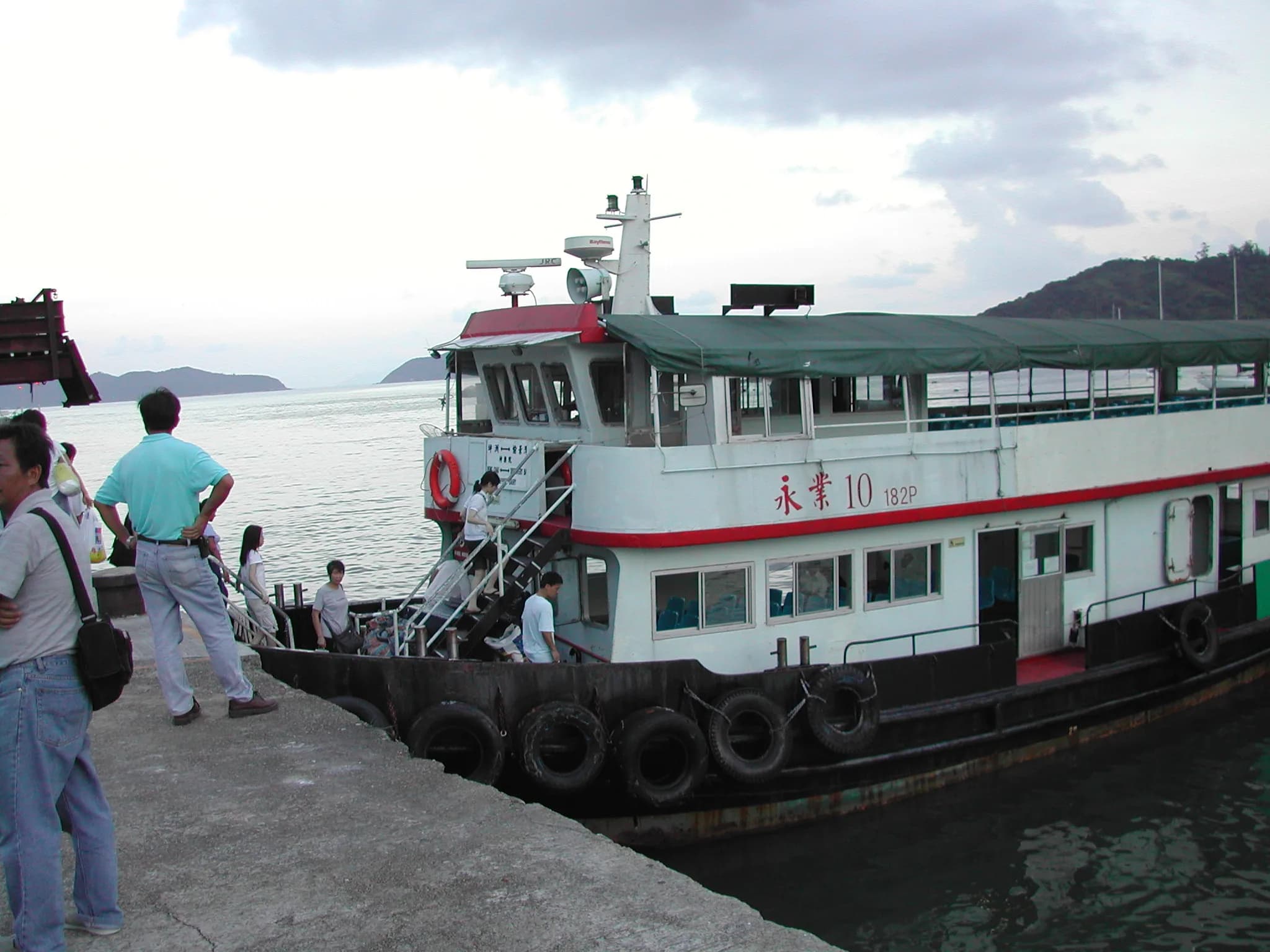
Kaito (街渡, literally 'street ferry') is Hong Kong's umbrella term for the small motorised ferries that were built to serve remote coastal settlements before roads or bridges reached them, and many of those routes are still the cheapest and sometimes only way to reach a given pier today. The Transport Department licenses each kaito route individually under the Ferry Services Ordinance, the same law that governs Hong Kong's larger franchised ferries — but where the big lines are run by corporate operators like Sun Ferry (Central–Cheung Chau, Central–Mui Wo) and Hong Kong & Kowloon Ferry, or HKKF (Central–Yung Shue Wan, Central–Sok Kwu Wan, Central–Peng Chau), kaito routes are mostly small, often family-run operations: Coral Sea Ferry, Chuen Kee Ferry, Tsui Wah Ferry, Fortune Ferry, Peng Chau Kaito Ltd and Lum Kay Kaito between them run most of roughly 78 fixed kaito routes across the territory. As of 31 December 2024, the Transport Department counted 21 regular licensed passenger ferry services (franchised and kaito combined) run by 10 companies. The real cost savings and access gains sit outside the headline Central-to-island lines: Chuen Kee Ferry's Aberdeen–Mo Tat Wan–Sok Kwu Wan kaito reaches the south end of Lamma Island without routing through Central at all; Coral Sea Ferry's Sam Ka Tsuen–Tung Lung Chau service — last listed at around HK$45 return, though kaito fares can change without much notice, so confirm the price board at the pier before boarding — is the only public transport onto that hiking-popular, residentially empty island; and Tsui Wah Ferry runs two separate kaito lines out to Tap Mun (Grass Island) — one from Wong Shek Pier in Sai Kung roughly every two hours, one from Ma Liu Shui near Tai Po about twice daily — with extra sailings on weekends and public holidays. Practical guidance: frequency on the smallest routes can drop to a couple of sailings a day, so plan your return trip before you plan your visit; typhoon signal 8 and black rainstorm warnings suspend services outright, sometimes stranding day-trippers overnight; and while the big franchised operators accept Octopus, cash is still the norm on several of the smaller kaito boats, so carry coins. Kaito serving the northeastern frontier villages around Sha Tau Kok, Kat O, Sam A and Ap Chau were once off-limits to non-residents under frontier closed area rules — that restriction has since eased, and the pier itself now serves visitors directly rather than requiring the longer detour via Ma Liu Shui that was once mandatory.
- –
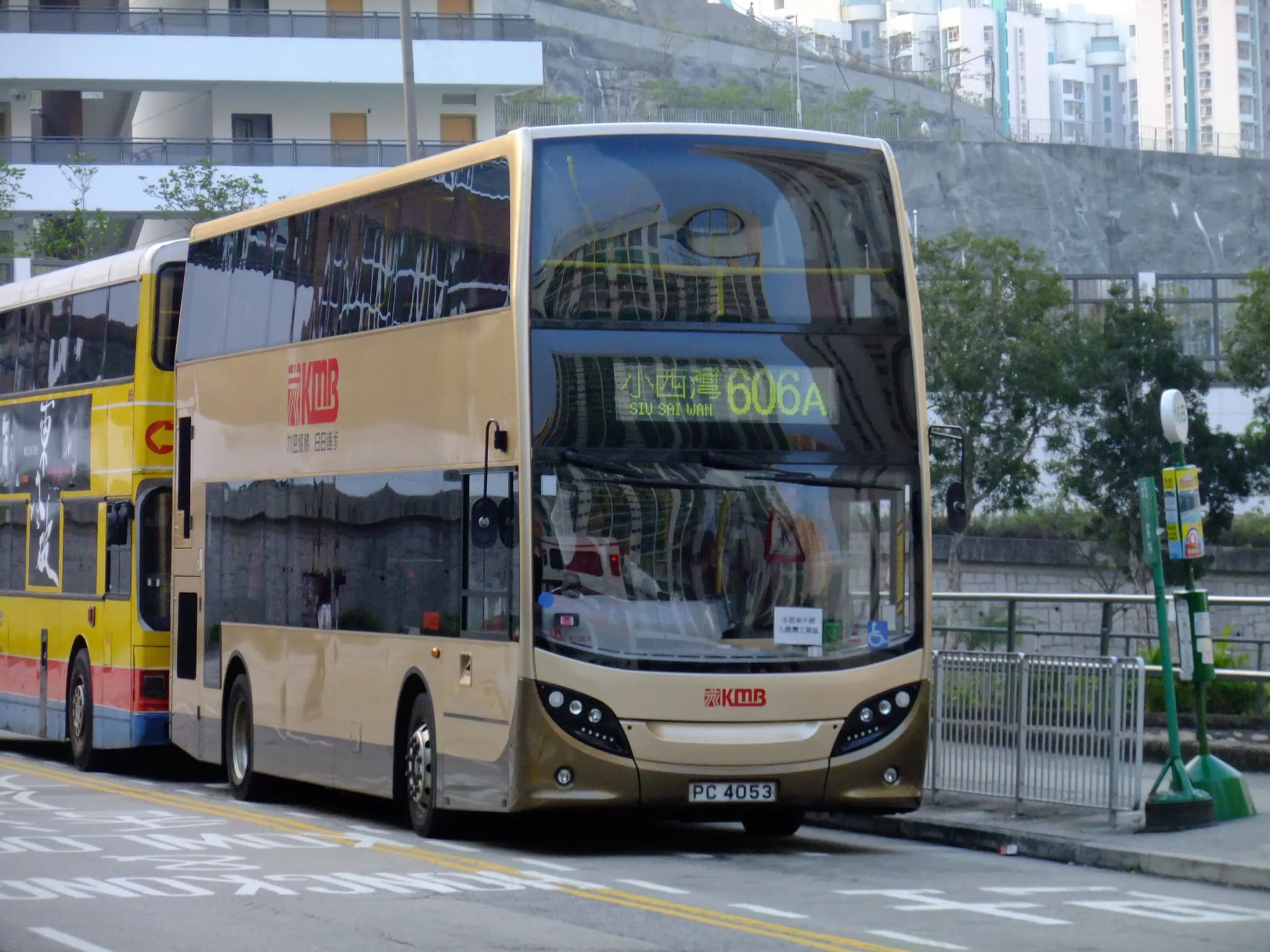
Hong Kong's two main franchised bus operators, Kowloon Motor Bus (KMB, which also runs sister company Long Win Bus on Lantau/airport routes) and Citybus, together run the backbone road network the MTR doesn't reach, and their fares work nothing like a flat metro tap. Franchised bus fares are set per route and, on longer routes, per boarding stop: the fare drops in stages as you board closer to the destination, so a passenger getting on near the start of a route pays the full fare while someone boarding a few stops from the end pays a fraction of it. Citybus's own published route-fare tables show this directly — on route A11, for example, the fare falls from a HK$40 full-journey rate at the origin down through HK$33, HK$17 and finally HK$4 at stops nearest Terminal One. For long, cross-district hauls this section-based system means a bus can end up costing about the same as the MTR, or occasionally slightly more, once you're travelling the full length of a route — but for a shorter hop that only covers part of a route's distance, the stage fare is often noticeably cheaper than the MTR's zone-based pricing, especially where a direct bus avoids an MTR interchange altogether. There's also a modest, separate saving available for regular commuters through the government's Public Transport Fare Subsidy Scheme, which rebates a share of monthly spending above a threshold across MTR, buses, minibuses and ferries — that scheme is significant enough to deserve its own entry elsewhere on this list, so it's only flagged here as one more reason bus travel is cheaper in practice than its sticker fare suggests. The scheme worth understanding in detail for bus riders specifically is the Octopus and E-payment Bus-Bus Interchange (BBI) Discount, run jointly by KMB and Long Win Bus (Citybus runs its own separate BBI scheme). It only works on specific, pre-registered route pairs at specific designated interchange stops — tap the same Octopus card or e-payment method on the second bus within a fixed time limit of boarding the first, and the fare on that second leg is discounted, sometimes by several dollars. KMB's own published example: a passenger travelling from Yau Tong to Kwai Shing (East) can ride Route 33 to Wong Tai Sin, tap onto Route 38 at the designated interchange stop there, and save HK$4.20 on the second leg. Crucially, this is not a universal transfer discount — it applies only to that specific registered pairing of routes at that specific stop, using the same payment card for both, with no more than nine unrelated Octopus transactions in between, and it evaporates if you interchange onto the same route number or use a different card. The everyday pitfall that erases these fare savings is traffic: buses share the road with everyone else, so a cross-harbour or peak-hour trip that the MTR completes in 20 minutes underground can easily take twice as long by bus through Central or Mong Kok congestion, and route coverage still has real gaps in newer developments and cross-harbour corridors where the MTR simply runs more direct lines. The honest takeaway is that buses are frequently the cheapest way to travel point-to-point in Hong Kong, particularly for routes the MTR doesn't serve directly, but the savings come paired with a real time cost during rush hour that a budget-conscious rider should plan around, not ignore.
- –
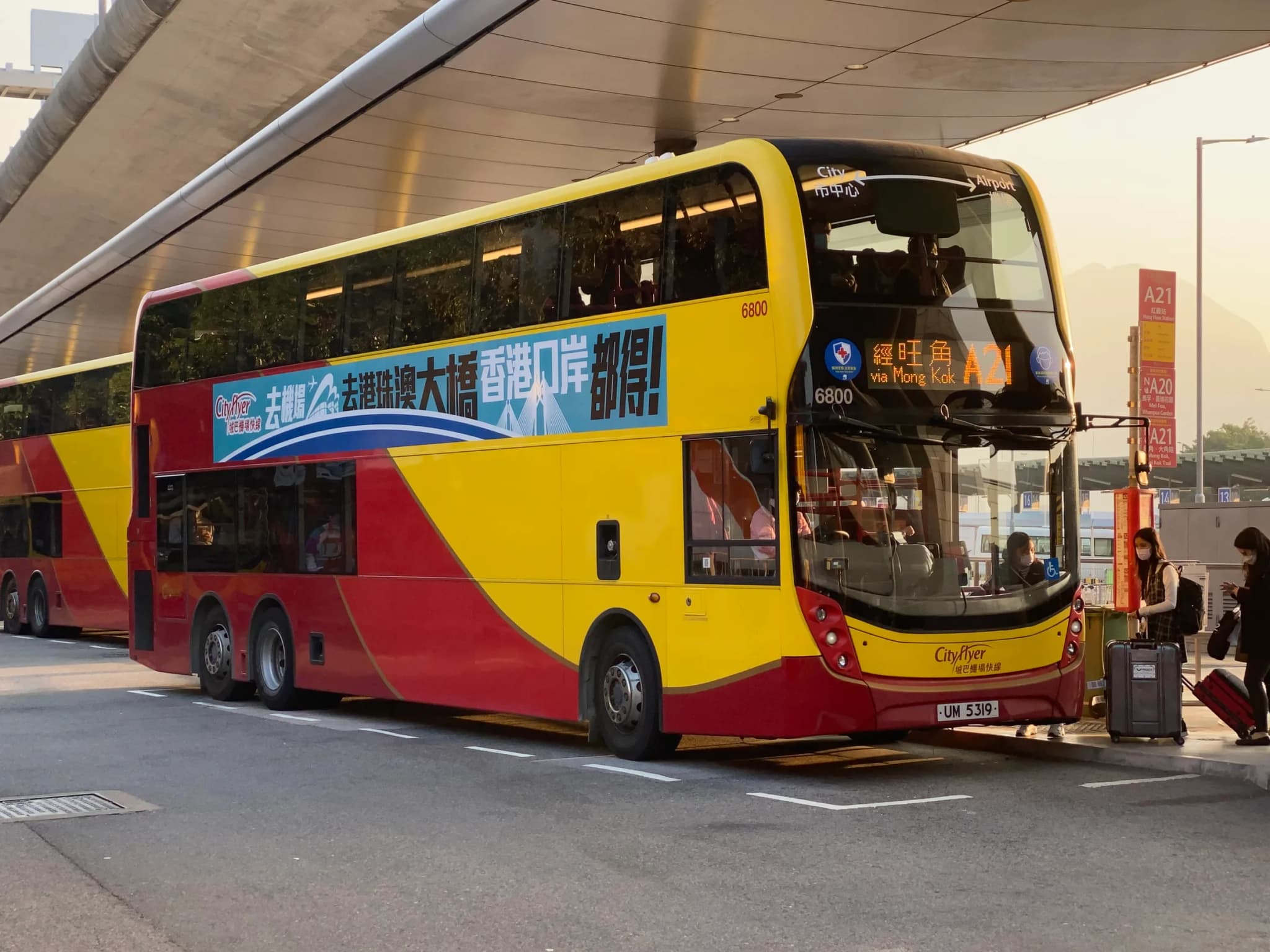
These are two entirely separate operators and services that get confused constantly, and the confusion costs travellers real money: MTR's Airport Express is a train, run by MTR Corporation, non-stop from Hong Kong Station or Kowloon Station to Airport Station in roughly 24 minutes. Per MTR's own fare table, the current one-way adult fare is HK$120 on Octopus (HK$130 for a paper single ticket) from Hong Kong Station, and HK$105 Octopus (HK$115 single ticket) from Kowloon Station; a same-day return using the same Octopus card costs the same as the one-way Octopus fare, and a 30-day round-trip ticket is HK$215 from Hong Kong Station or HK$195 from Kowloon Station. The old standalone 'Airport Express Travel Pass' smart card (which bundled Airport Express journeys with three days of unlimited MTR/Light Rail travel for HK$220-300) has been discontinued and no longer appears as a live product on MTR's site, so the closest currently-sold tourist bundle is the Tourist Octopus-China T-Union Card, sold with two Airport Express single-journey rides included, priced at HK$260. Citybus runs an entirely different, unrelated bus service to and from the airport, still branded Cityflyer - the name has not changed, despite the past confusion with MTR's 'Express' naming. Cityflyer buses are ordinary double-deckers that share the road, run on numbered A-series and E-series routes, and cost dramatically less: per Citybus's own route-fare tables, route A11 (North Point Ferry Pier, via Causeway Bay/Central, to the airport) is HK$40 one-way with an approximately 80-minute journey; route A21 (Hung Hom Station, via Mong Kok, to the airport) is HK$33 one-way with an approximately 78-minute journey. The E-series routes are cheaper still but serve SkyCity/AsiaWorld-Expo next to the airport rather than the terminal forecourt directly, requiring a short walk or shuttle: E11 (from Tin Hau Station) is HK$21, and E21 (from Tai Kok Tsui) is HK$14. That means the fare gap between the cheapest bus option and the Airport Express is roughly HK$100-115 one-way, for a bus journey that typically takes about three times as long and is subject to Hong Kong's often-heavy road traffic, especially around the Hong Kong-Zhuhai-Macao Bridge port and cross-harbour tunnels at peak times. The practical guidance is straightforward: if you're travelling off-peak, aren't on a tight connection, and are carrying one or two manageable bags, a Cityflyer route that starts near your hotel is a genuinely painless way to save HK$100 or more each way, and buses have generous underfloor luggage holds built for exactly this trip. If you're arriving during evening rush hour, have a tight connecting flight or event to reach, or are travelling with a group and heavy luggage where every extra 40 minutes compounds stress, the Airport Express's fixed 24-minute non-stop journey is worth paying the premium for - it's the one time on this list where speed, not price, should usually win.
- –
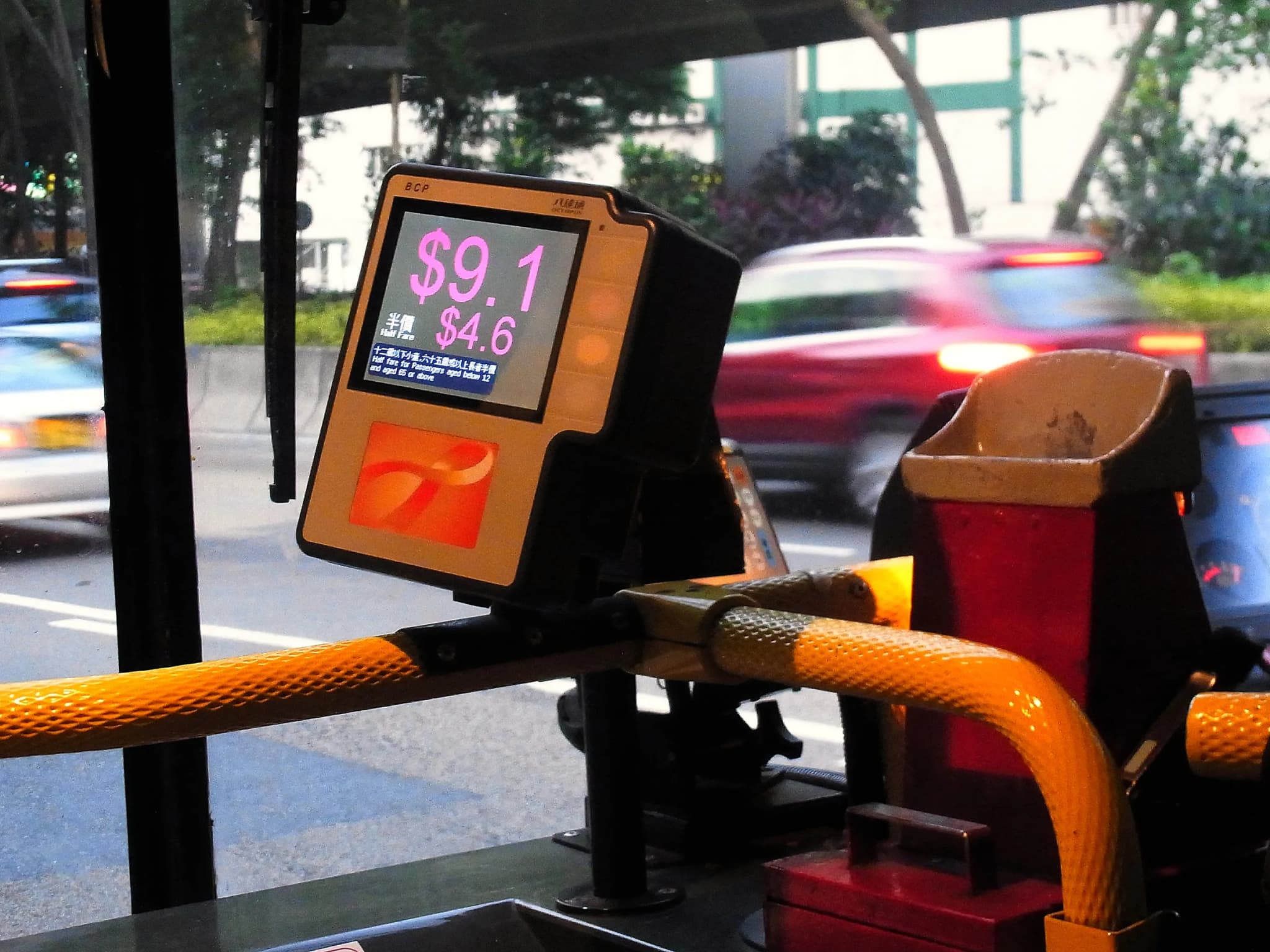
Officially the Government Public Transport Fare Concession Scheme for the Elderly and Eligible Persons with Disabilities — everyone just calls it the $2 Scheme — this is the single biggest reason public transport barely dents an older Hong Kong resident's wallet. Any Hong Kong resident aged 60 or above qualifies, a threshold the government lowered from 65 in February 2022; younger residents with disabilities qualify too, but only if they are certified as 100% ("severely") disabled and are already receiving either Comprehensive Social Security Assistance or a Disability Allowance under that criterion. Riding cheap isn't automatic, though — the concession only works with a specific card. Beneficiaries aged 60 and above must apply for and use a JoyYou Card, a Personalised Octopus purpose-built for the scheme; eligible younger persons with disabilities need a Personalised Octopus carrying "Persons with Disabilities" status instead. Cash doesn't work, and neither does an ordinary Elder Octopus (a separate, older elderly concession that operators run independently of this government scheme) or a standard Personalised Octopus — tap either of those and full adult fare applies. As of 3 April 2026 the fare mechanic itself changed: what used to be a flat $2 on every covered trip is now "$2 Flat Rate or 80% Off" — trips with an adult fare of $10 or below still cost exactly $2, but anything above $10 now costs 20% of the adult fare, rounded to the nearest 10 cents, a change designed to scale the subsidy with distance on longer cross-territory journeys (and it applies to interchange legs too). Coverage is broad but not universal: it spans domestic MTR services plus Light Rail and MTR Bus in the northwest New Territories (though not the Airport Express, East Rail's Lo Wu/Lok Ma Chau/Racecourse stops, or first class), the four franchised bus companies KMB, Citybus, Long Win and New Lantao (minus airport, racecourse, long-haul and tourist-oriented routes), designated ferry routes (excluding Deluxe Class), every green minibus route, all tram routes, and only the specific red minibus, kaito and residents'-service routes that have opted in and display the scheme's logo above their Octopus readers. It stacks with the separate Public Transport Fare Subsidy Scheme: the reduced fare a $2 Scheme rider actually pays still counts in full toward that scheme's monthly rebate calculation.
- –
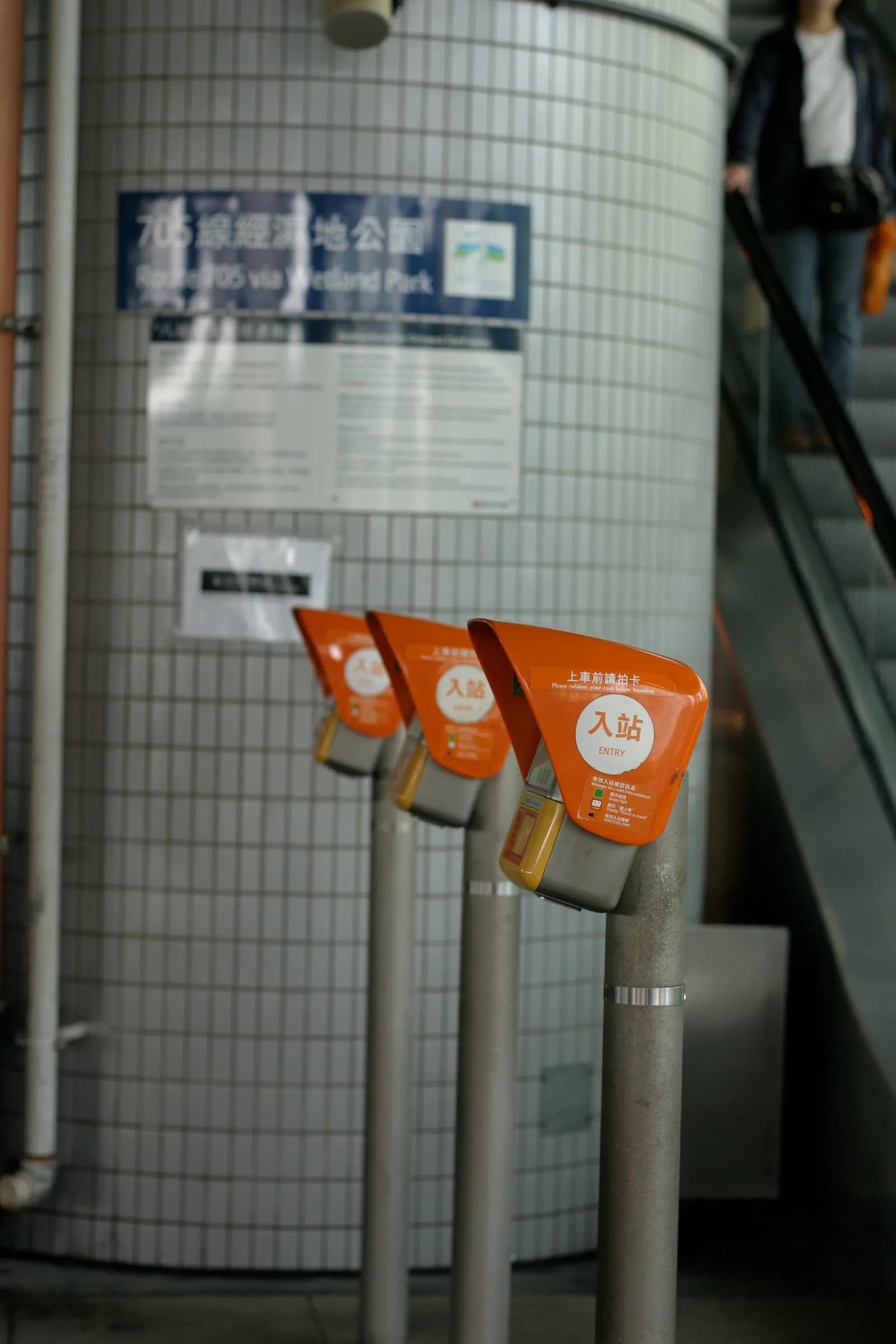
Octopus doesn't just pay fares — it quietly stacks discounts on top of them, though how far those discounts reach depends entirely on which combination of modes is being used, and it's easy to oversell how universal any of them are. The most broadly useful one for MTR riders is Monthly Pass Extra: buy one of the five MTR Monthly Passes, and every journey that continues past the pass's designated stations gets a flat 25% off the normal Octopus fare for that extra distance, on top of whichever Interchange Discount, Fare Saver Discount or Early Bird Discount would otherwise apply to the same trip — a Monthly Pass rider can genuinely layer several discounts onto one journey. It isn't universal, though: it's carved out of East Rail Line First Class Premium, the Airport Express, and journeys to or from Lo Wu and Lok Ma Chau, and Monthly Pass 1 holders specifically lose it on Racecourse Station trips. Separately, MTR runs its own retail-partnership perk called Fare Saver: tap an Adult Octopus at one of roughly 30 designated readers, installed mostly at shopping malls and plazas next to stations such as Kwai Fong, Mong Kok, Tai Wai and Wong Chuk Hang, and the next MTR ride is $2 cheaper. It's real money back, but it's a mall-sponsored perk tied to a fixed list of locations, not a general interchange scheme — there's no reader at most stations. The genuinely free MTR-to-bus interchange lives only in the northwest New Territories: Octopus users transferring between MTR Feeder Bus routes (or the NW-NT MTR Bus network) and the MTR train or Light Rail pay nothing extra for the connecting leg, provided they tap the same Octopus, complete each transit within 60 minutes and the whole journey within 120 minutes, don't reuse the same bus route in the same trip, and don't exit and re-enter the same Light Rail stop or MTR station within 20 minutes. Route K52A, between Tuen Mun Station and Tsang Tsui, is the one exception — instead of a free interchange it gets a discount of up to $5.1. What doesn't appear to exist, at least not as any broadly advertised, citywide product: a general ferry-to-MTR or ferry-to-bus combo discount — none of Hong Kong's ferry operators publish one on their own sites. And the wider bus-to-bus interchange savings most commuters actually rely on day to day are run by KMB and Citybus themselves, not MTR.
- –
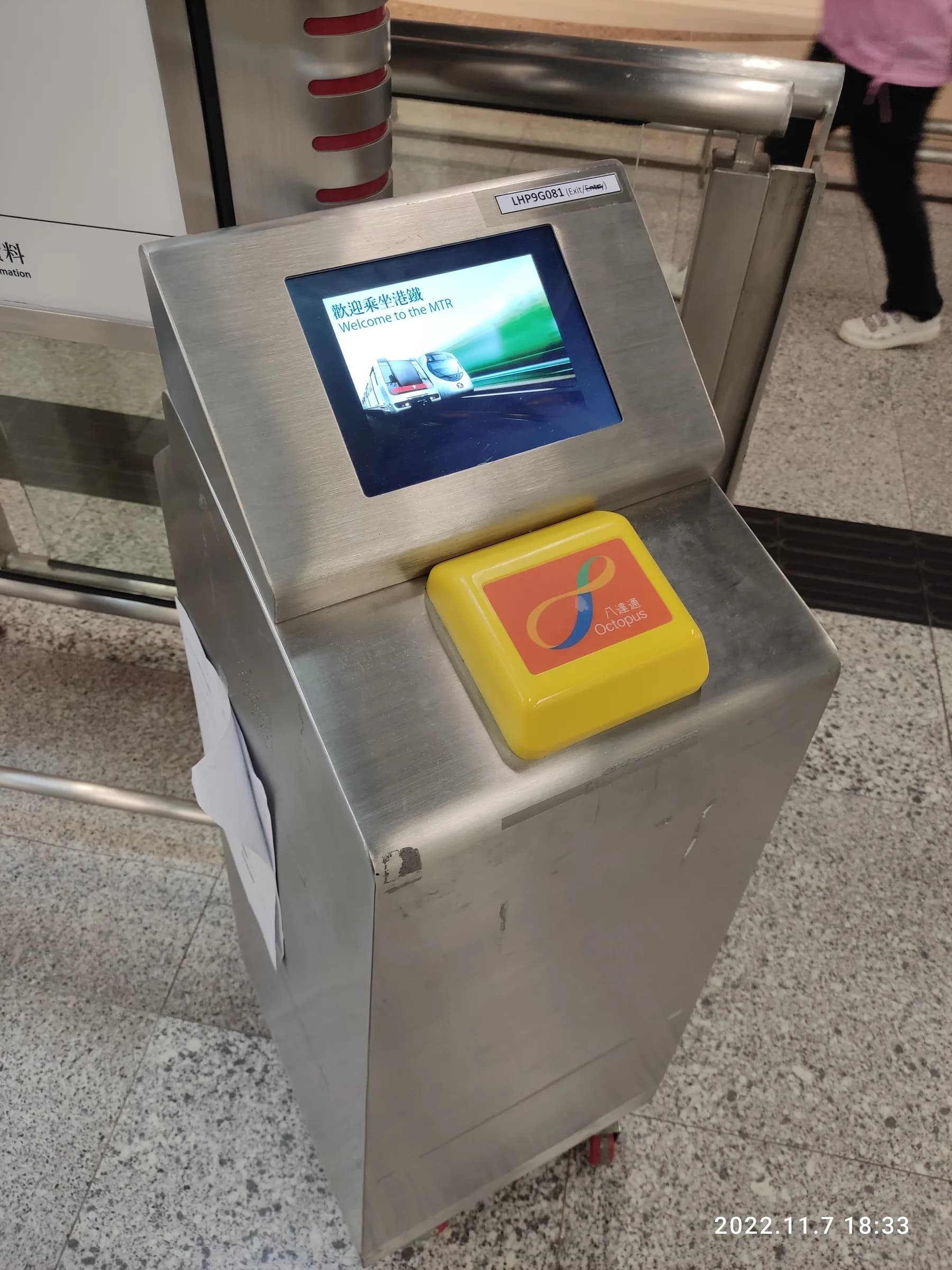
Launched on 1 January 2019, the Public Transport Fare Subsidy Scheme (公共交通費用補貼計劃) is Hong Kong's blanket answer to high commuting costs — it asks nothing of riders except that they keep tapping the same Octopus or the same AlipayHK account, with no application form, no means test and no age cutoff of any kind. Once a calendar month's public transport spending on one Octopus card crosses a threshold, the government picks up one-third of everything above that line, capped at $400 a month per card. That threshold moved recently: after sitting at $400 for years, it rose to $500 with effect from 1 June 2025, while the one-third rate and the $400 cap stayed put — so the practical effect of the June 2025 change was to raise the bar before the subsidy kicks in, trimming everyone's rebate slightly. AlipayHK's EasyGo QR users get the identical formula run on a separate, non-combinable ledger — an Octopus and an AlipayHK account cannot pool expenses to hit the threshold faster, and neither can two Octopus cards. Coverage rides on daily automatic recording: MTR (including Light Rail and MTR Bus for Octopus, though AlipayHK's version excludes those two), the four big franchised bus companies, tram, most ferries, every green minibus, and specific approved routes of red minibuses, kaitos and residents'/employees' services. Cash fares, single-journey MTR and high-speed-rail tickets, Airport Express Same Day Return tickets, tourist tickets and non-franchised prepaid bus tickets never count toward the monthly total. The subsidy is never instant: each month's figure is calculated from the previous month's spending, and the money only becomes collectible starting the 16th of the following month — commuters then have to actively go get it, by tapping at a Subsidy Collection Point in an MTR/Light Rail station or designated ferry pier, through the Octopus App, or at participating 7-Eleven, Circle K or Wellcome outlets (no purchase required); AlipayHK users collect through their own app, manually or via an "Automatic Collection" toggle. Anyone who doesn't collect within three months permanently forfeits that month's subsidy. Crucially, it stacks with the $2 Scheme — a $2 Scheme beneficiary's already-discounted fares still count in full toward this scheme's monthly total, so the two subsidies compound rather than compete. And despite what's sometimes assumed, no Personalised Octopus of any kind is required for any of this — an ordinary, everyday Octopus works fine; the only Octopus-side exclusion is short-term "temporary" deposit cards, not regular ones.
Image credits
- Walking: Photo by Mx. Granger, CC0, via Wikimedia Commons
- Hong Kong Tramways ("Ding Ding"): Photo by Ank Kumar, CC BY-SA 4.0, via Wikimedia Commons
- Green Minibus (GMB): Photo by ごうだたけし, CC BY-SA 4.0, via Wikimedia Commons
- Star Ferry: Photo by Bernard Spragg. NZ, CC0, via Wikimedia Commons
- Kaito & Outlying Island Ferries: Photo by Mcyjerry, CC BY-SA 3.0, via Wikimedia Commons
- KMB & Citybus Franchised Buses: Photo by Will629, CC BY-SA 3.0, via Wikimedia Commons
- Citybus Cityflyer Airport Buses (A/E-series) vs MTR Airport Express: Photo by LN9267, CC BY-SA 4.0, via Wikimedia Commons
- Government HK$2 Public Transport Fare Concession Scheme: Photo by Ka890, CC BY-SA 3.0, via Wikimedia Commons
- Octopus Same-Day Interchange & Combo Discounts: Photo by Sarah Joy, CC BY-SA 3.0, via Wikimedia Commons
- Public Transport Fare Subsidy Scheme: Photo by Wusi Shauwzeiqob 708, CC BY-SA 4.0, via Wikimedia Commons
Rank it your way
Remix this list into your own ranking, or head to the play hub for every game mode and community breakdown — blind mode, challenges, tier lists, and more.
You Might Also Like

Travel Books That Make You Book a Plane Ticket
Travel Books That Make You Book a Plane Ticket
10 Most Beautiful Temples in Asia: From Angkor Wat to the Golden Pavilion
10 Most Beautiful Temples in Asia: From Angkor Wat to the...
Top 10 Things to Do in Los Angeles
Top 10 Things to Do in Los Angeles
Top 10 Luxury Hotels in Spain
#1 Hotel Alfonso XIII, Seville · #2 Mandarin Oriental, Barcelona · #3 The Ritz-Carlton, Abama, Tenerife

Top 10 Most Crowded Tourist Attractions
#1 The Mona Lisa, Louvre, Paris · #2 Angkor Wat, Cambodia · #3 Machu Picchu, Peru

Top 10 Things to Do in Dubrovnik
#1 Dubrovnik City Walls · #2 Old Town Dubrovnik · #3 Lovrijenac Fortress