




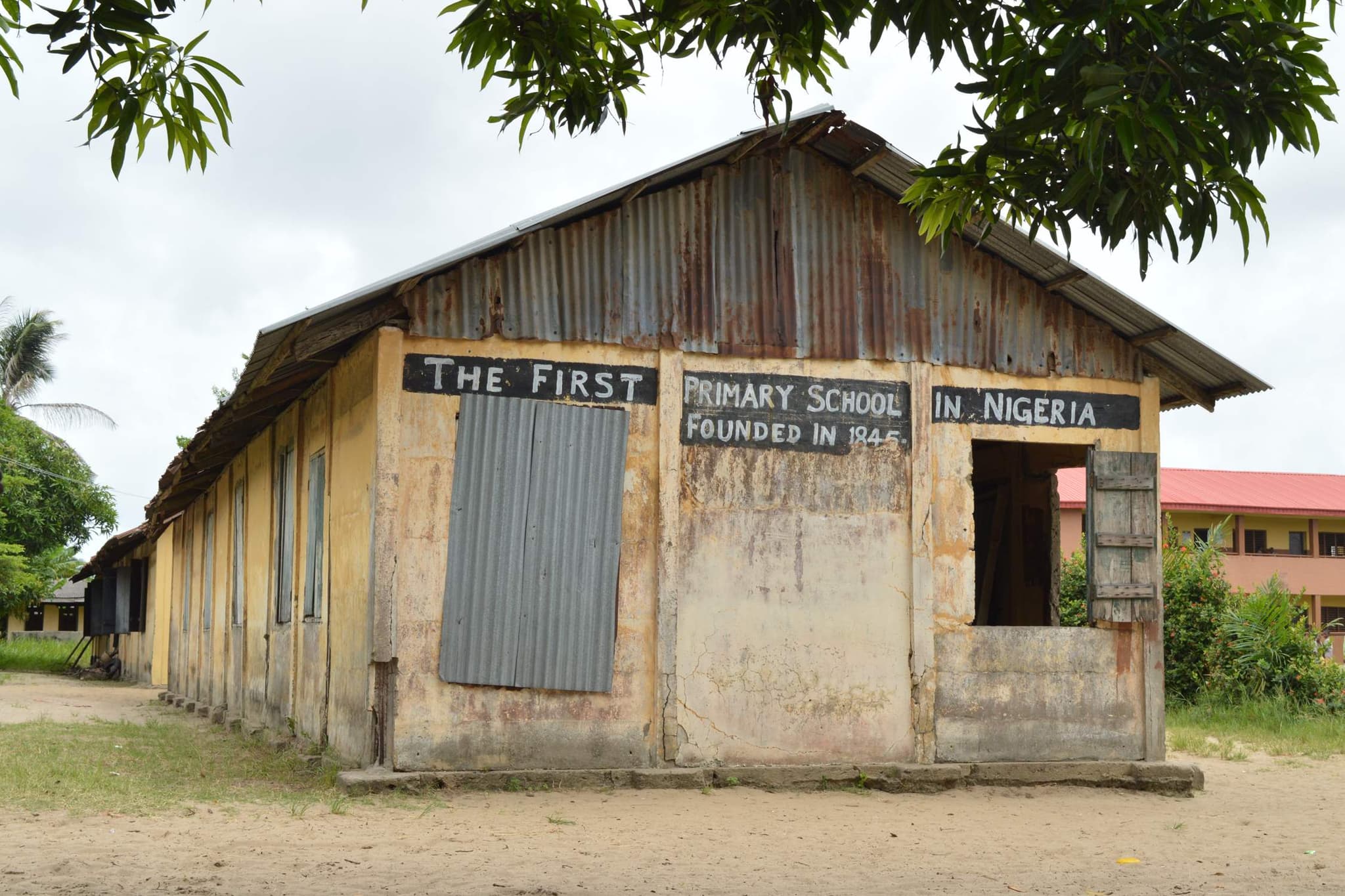
First primary school in Nigeria, Badagry / Wikimedia Commons (CC BY-SA 4.0)
University
Top 10 Countries With the Best Education Systems in 2026 (PISA, Outcomes & Innovation)
Education is the most critical national infrastructure investment -- producing the human capital that drives economic growth, innovation, and social mobility. These 10 countries consistently outperform global PISA rankings administered to 600,000 students across 80+ nations, produce disproportionate numbers of Nobel Prize winners and patent filings per capita, and have built education cultures that policymakers, teachers, and parents worldwide study and attempt to replicate. The common thread: teacher status, early investment, and systems that treat every child as capable of excellence.
2026400 views
Top10Grid rankings are decided by votes, not algorithms — use the buttons below to move this list.
Topic
Top 10 lists on this topic
Current Rankings
Vote items up or down — rankings update instantly
Get the weekly education rundown
Only lists published since the last email. Join the early readers.
- Only Top 10s published in the last 7 days
- One email a week — and none at all in a week with nothing new
- Unsubscribe in one click
No spam. One email per week. Unsubscribe anytime.
Frequently Asked Questions About the World's Best Education Systems
### Which country has the best education system in the world in 2026? Finland and Singapore consistently top global rankings, but they get there very differently. Finland relies on short school days, highly trained teachers, and delayed standardized testing. Singapore uses rigorous national streaming, intensive teacher coaching, and a culture that prizes academic excellence. Both top the OECD PISA tables.
### What makes South Korea's tertiary education rate the highest? About 70% of South Korean adults aged 25–34 hold a tertiary qualification — the highest share in the OECD. The expansion followed decades of state investment, low tuition at public universities, and intense parental demand for credentials.
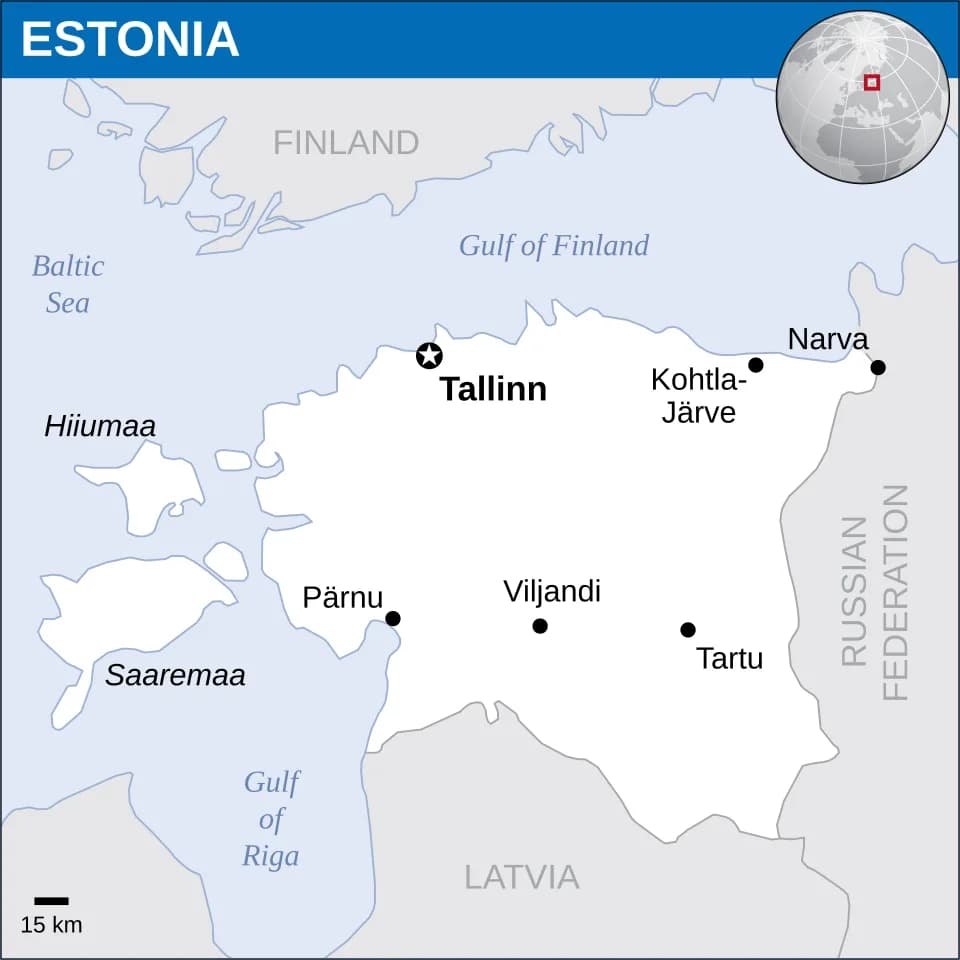
### Why is Estonia considered the most digitally advanced education system? Estonia was an early adopter of digital governance and extended that to schools: every student uses a national e-school platform, digital ID, and AI-assisted learning tools from primary school onward.
### Is education really free in Germany? Public universities in Germany charge no tuition fees for domestic and most EU students, and Germany's apprenticeship system ("dual system") combines classroom learning with paid on-the-job training.
Frequently Asked Questions About the Best Education Systems
## Frequently Asked Questions About the Best Education Systems
Which country has the best education system in 2026? Finland, Singapore, and Japan consistently rank at the top of global PISA assessments. Singapore currently holds the highest scores in mathematics and science, while Finland is widely studied for its happiness-first, low-pressure approach.
What makes a country's education system successful? Successful systems share common traits: highly trained and respected teachers, equity of access, early intervention for struggling students, strong vocational pathways alongside academic tracks, and consistent national investment in schooling from early childhood through tertiary education.
Why is Finland's education system so highly rated? Finland trusts its teachers, delays formal academics until age 7, minimizes standardized testing, gives students more recess and free time, and treats education as a public good rather than a competitive market. The result is consistently high PISA performance with low stress.
Which country has free university education? Germany, Finland, Norway, and several other European countries offer tuition-free or very low-cost public university education, even for international students. Germany additionally funds a dual vocational system that combines apprenticeships with classroom learning.
How are these 10 countries ranked? Rankings are based on a composite of PISA scores, tertiary education attainment rates, per-capita Nobel Prize wins, patent filings, and documented policy choices that other nations have studied and emulated. No single metric is used in isolation.
What "best education system" actually measures — and what it leaves out
Most international rankings, including the PISA assessment referenced throughout this list, test reading, math, and science ability in 15-year-olds every three years across dozens of countries. That is a real and useful measure, but it is a narrow one: it does not directly capture creativity, student mental health, long-run earnings, or how well a system serves the students who don't go on to university. Two systems can post nearly identical PISA scores by very different routes — this list includes a clear example in Finland's low-pressure, low-homework model scoring alongside South Korea's 10-hour academic day — and the score alone can't tell you which trade-offs a given country made to get there. A ranking built on test scores answers "which system produces strong test-takers," not "which system is best for a given child."
The vocational-versus-university divide most rankings ignore
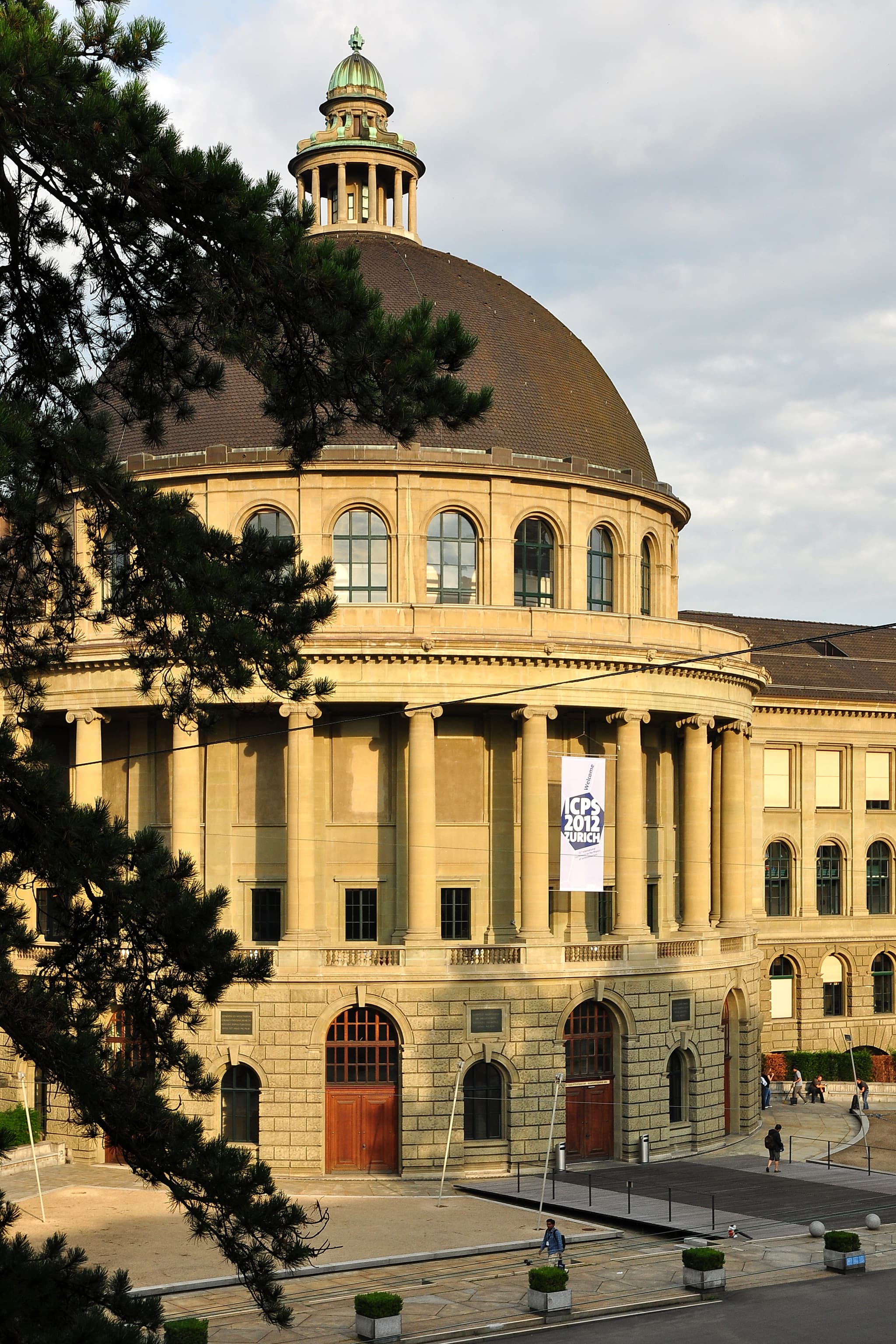
A recurring blind spot in "best education system" comparisons is that they implicitly measure the university-bound track and say little about what happens to students who don't take it. Switzerland and Germany are unusual for building genuinely prestigious, well-paid vocational and apprenticeship pathways alongside their university systems, so a student choosing that route isn't treated as having settled for a lesser option. In many other systems — including several ranked highly on pure academic output — vocational training carries real social and economic stigma even when a strong labor market exists for it. Judging a national system only by university rankings or PISA scores misses this entire second track, which for a large share of any country's students is the more relevant one.
How to actually use a ranking like this
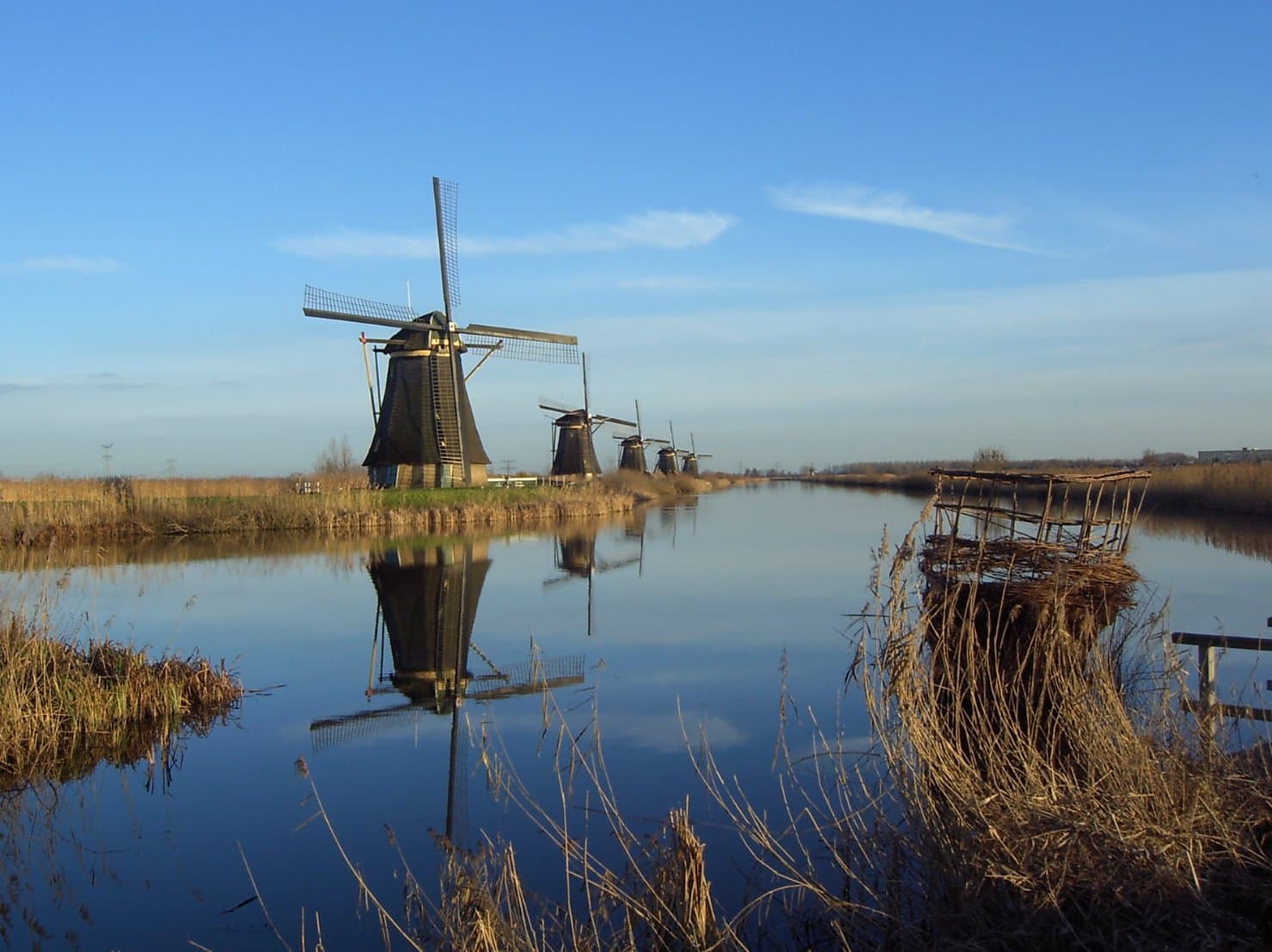
The systems on this list are strong for different reasons, so the right one to look to depends on what you're optimizing for. A parent evaluating student wellbeing alongside academic performance should look closely at the low-pressure, high-trust design of Finland or the self-directed model of the Netherlands. A policymaker interested in closing achievement gaps for immigrant or lower-income students has more to learn from Canada's funding equity than from any single test score. And a country trying to build a skilled non-university workforce has a clearer model in Switzerland's or Germany's dual systems than in any PISA leaderboard. Treat the ranking as a set of different working models rather than a single ladder with one right answer at the top.
See Also
Readers Also Ranked
More Lists Like This

Top 15 Best Public Primary Schools in Hong Kong 2026
- #1PLK Camoes Tan Siu Lin Primary School
- #2St. Paul's Co-educational College Primary School
- #3Diocesan Preparatory School

Top 10 Most Banned and Challenged Books in History
- #11984 — George Orwell
- #2The Catcher in the Rye — J.D. Salinger
- #3The Adventures of Huckleberry Finn — Mark Twain

Top 10 Historical Figures of Argentina
- #1Jose de San Martin
- #2Eva Peron
- #3Juan Domingo Peron

Top 10 Kids Classes & Activities Under 5 in Hong Kong 2026
- #1BabyMusik (Hong Kong)
- #2Gymboree Play & Music (Hong Kong)
- #3Heguru Method (Hong Kong)
Frequently asked questions
Which countries consistently rank among the top 10 for having the best education systems?
Countries such as Finland, Singapore, Japan, South Korea, Canada, and Switzerland often appear in the top 10 due to their high student performance and equitable outcomes.
What key factors make these education systems stand out from others?
They prioritize teacher quality through rigorous training and autonomy, emphasize holistic development over rote learning, and invest in equitable resources across all schools.
How are the best education systems typically ranked or measured globally?
Rankings usually rely on international assessments like PISA, TIMSS, and PIRLS, combined with indicators such as graduation rates and equity in student achievement.
Can other countries replicate the practices of top-ranked education systems?
Yes, but successful adaptation requires context-specific reforms, such as improving teacher professional development and reducing socioeconomic disparities, rather than copying policies wholesale.
Does having the best education system guarantee economic success?
No, while strong education correlates with higher productivity and innovation, economic success also depends on factors like political stability, industrial policy, and labor market conditions.
Discussion
Have a take on this ranking?
Comments are how the argument actually happens here. Posting one needs a free account — it takes about a minute.
No comments yet.
The first comment sets the terms of the argument.
Would your top 10 look different?
Publish your own ranking of this topic. Your list gets its own page, and readers vote on it the same way you just voted on this one.
Build your own Top 10Related Videos
More Universities Rankings
6
Top 10 Cognitive Biases That Shape Your Decisions: The Hidden Flaws in Your Thinking
163 views · @admin

Top 10 Scientific Discoveries That Changed Everything
163 views · @admin

Top 10 Most Iconic Paintings in History
166 views · @admin
Top 10 Battles That Changed World History
168 views · @admin

Top 10 Most Consequential Wars in History
180 views · @admin
Top 10 Greatest Philosophers of All Time
184 views · @admin
You might also want to rank…
 Top 10 Greatest Novels of All Time
 Top 10 Best Education YouTube Channels 2026
 Books the Internet Can't Stop Reading Right Now
Explore more Education rankings on Top10Grid
People Also Explore
Because you're viewing Education
Top 10 Educational Apps That Kids Love More Than YouTube
180 views · 0 votes
Top 10 Most Consequential Wars in History
180 views · 0 votes
Top 10 Greatest Philosophers of All Time
184 views · 0 votes
Top 10 Most Influential People in Human History
197 views · 0 votes

Top 10 Theologians Who Shaped Modern Christianity
208 views · 0 votes

Top 10 Christian Podcasts for Spiritual Growth
227 views · 0 votes
You might also like
EDUCATIONSame type
Top 10 Best Community Colleges in America (2026 Rankings): Transfer, Cost & Career Outcomes
10 items
EDUCATIONSame type
Top 10 Most Overhyped College Majors 2026
10 items
EDUCATIONSame type
Top 10 Most Debated: College Degree vs Self-Taught 2026
10 items

EDUCATIONSame type
Top 10 Space Missions That Rewrote History
10 items

EDUCATIONSame type
Top 10 Best Universities in the World 2026
10 items
EDUCATIONSame type
Top 10 Worst College Ranking Systems 2026
10 items