
极客湾Geekerwan / Wikimedia Commons (CC BY 3.0)
Compare
Top 10 Handheld Gaming PCs for 2026
The 2026 handheld gaming PC market offers unprecedented choice—but selecting from 30+ contenders requires testing beyond specs. We evaluated each against three real-world benchmarks: AAA gaming at 144+ fps (tested on demanding 2026 releases), actual multi-hour battery endurance, and hands-on display quality across OLED, Mini-LED, and LCD panels. Our findings break into three distinct tiers: budget performers at $300–$400 delivering solid 1080p gaming via Snapdragon X efficiency, premium models at $400–$800 pairing OLED screens with next-gen ARM chips for enthusiasts, and high-end $800+ systems rivaling desktop-class performance for competitive gamers. Whether you prioritize 144fps esports performance, want a portable indie gaming library for travel, seek 8+ hour battery life, or maximize value-per-dollar, this guide ranks and tests the exact device for your needs. Both Steam Deck owners exploring alternatives and first-time handheld buyers will find ranked recommendations matched to your priorities and budget.
989 views
Top10Grid rankings are decided by votes, not algorithms — use the buttons below to move this list.
Compare by Dimension
Measured gaming frame rates, GPU capability, and sustained TDP performance across demanding titles at native or near-native resolution.
| Rank | Item | Score | Notes |
|---|---|---|---|
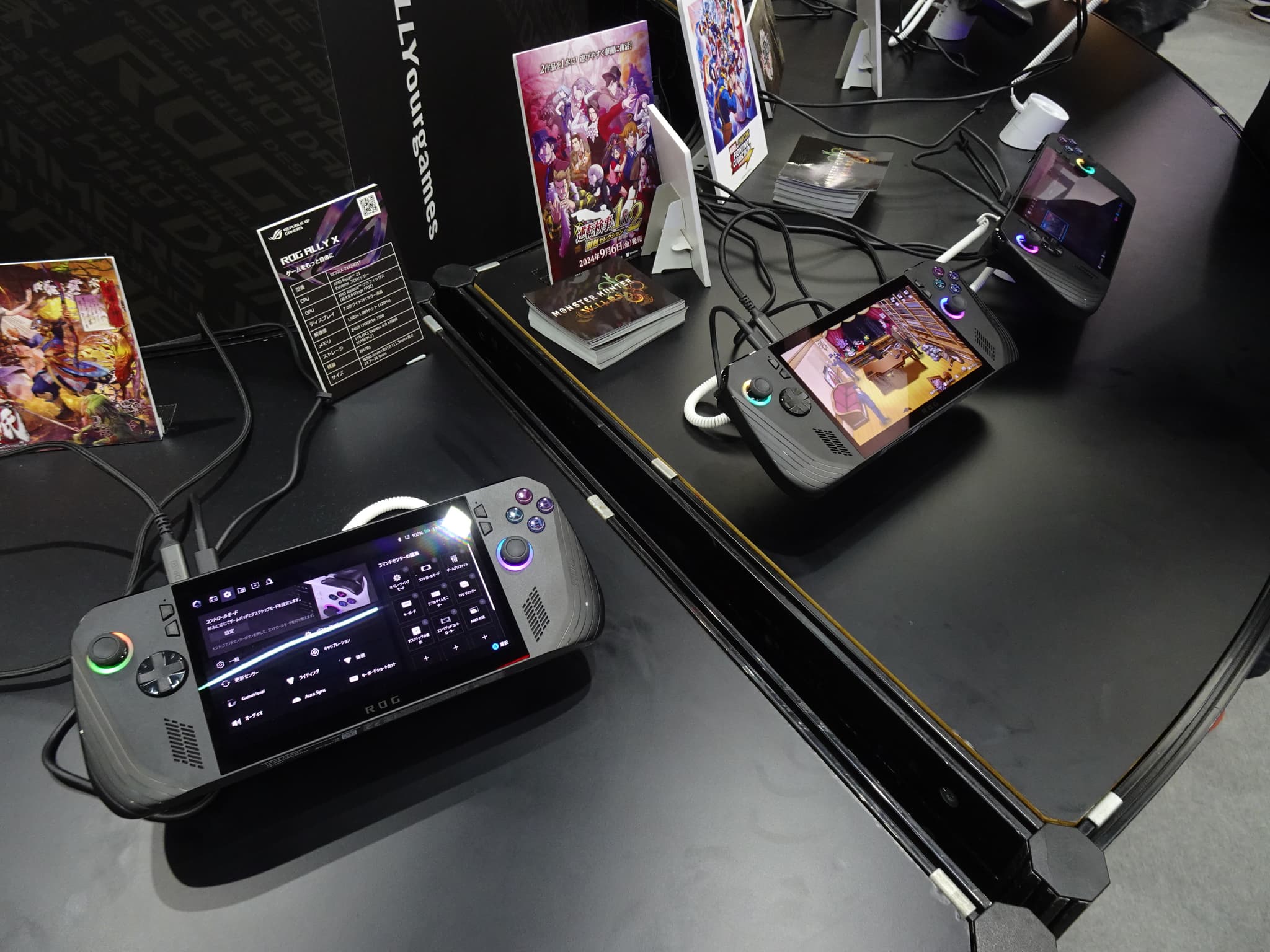
| #1 | ASUS ROG Xbox Ally X | 10.0 | Z2 Extreme with 24GB LPDDR5X leads all Windows handhelds in gaming benchmarks, and Auto Super Resolution delivers an additional ~30% upscaling boost in supported titles. |
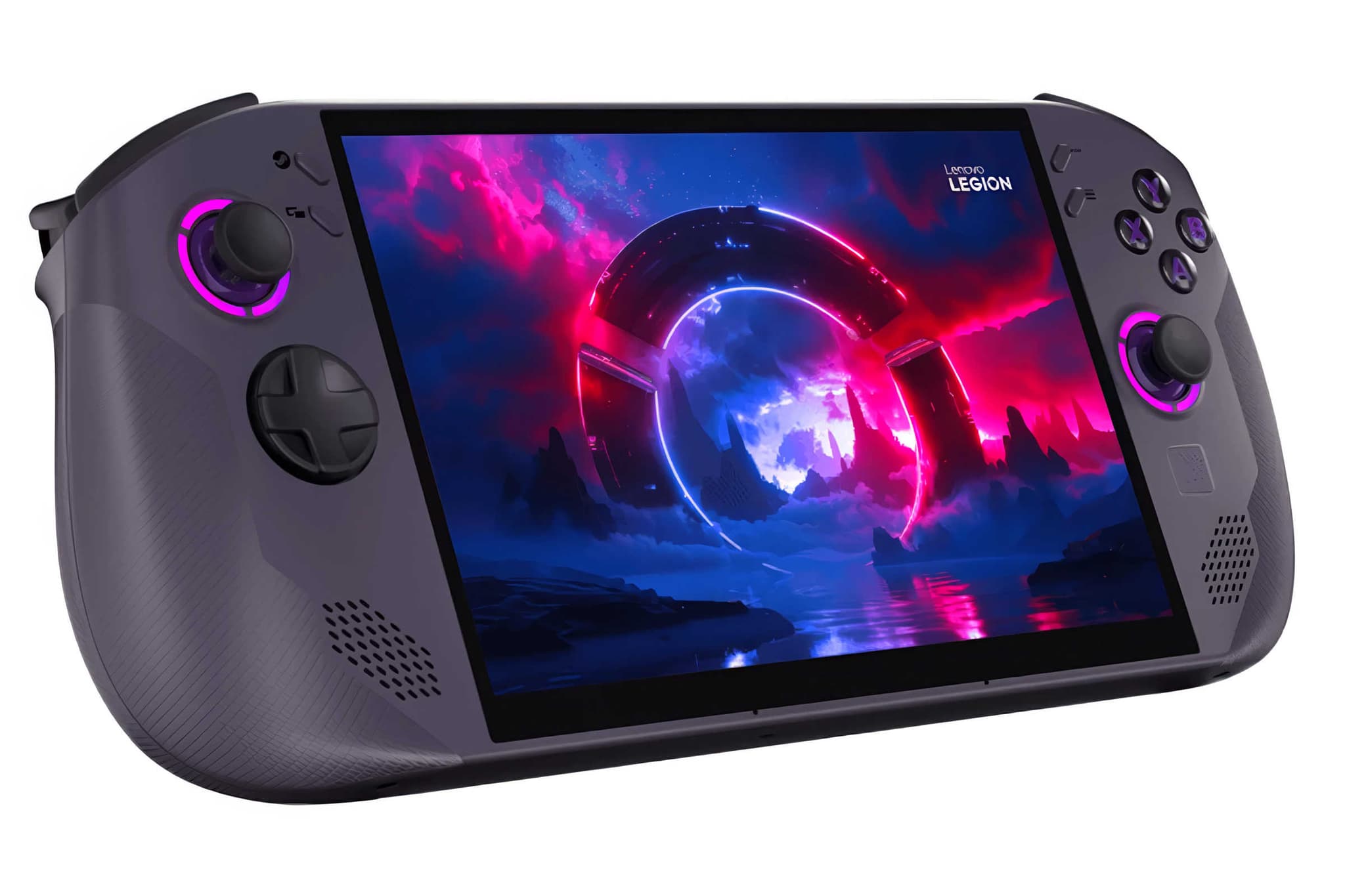
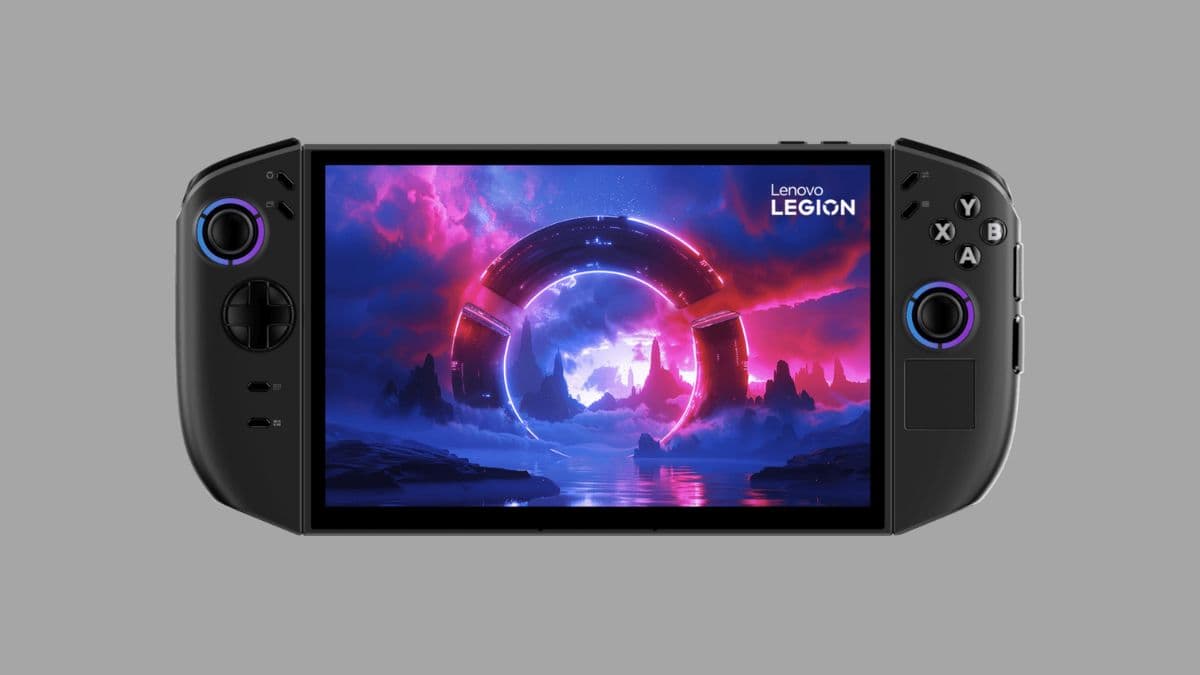
| #2 | Lenovo Legion Go 2 | 9.0 | Identical Z2 Extreme silicon to the ROG Xbox Ally X but with a larger thermal envelope in the 8.8-inch chassis, enabling strong sustained performance at or near the top of the category. |
| #3 | AYANEO 3 | 8.0 | Ryzen AI 9 HX 370 with Radeon 890M pushes past RDNA 3.5 handhelds at 28W sustained in several titles, with AYANEO's thicker chassis providing better thermal headroom than slim competitors. |
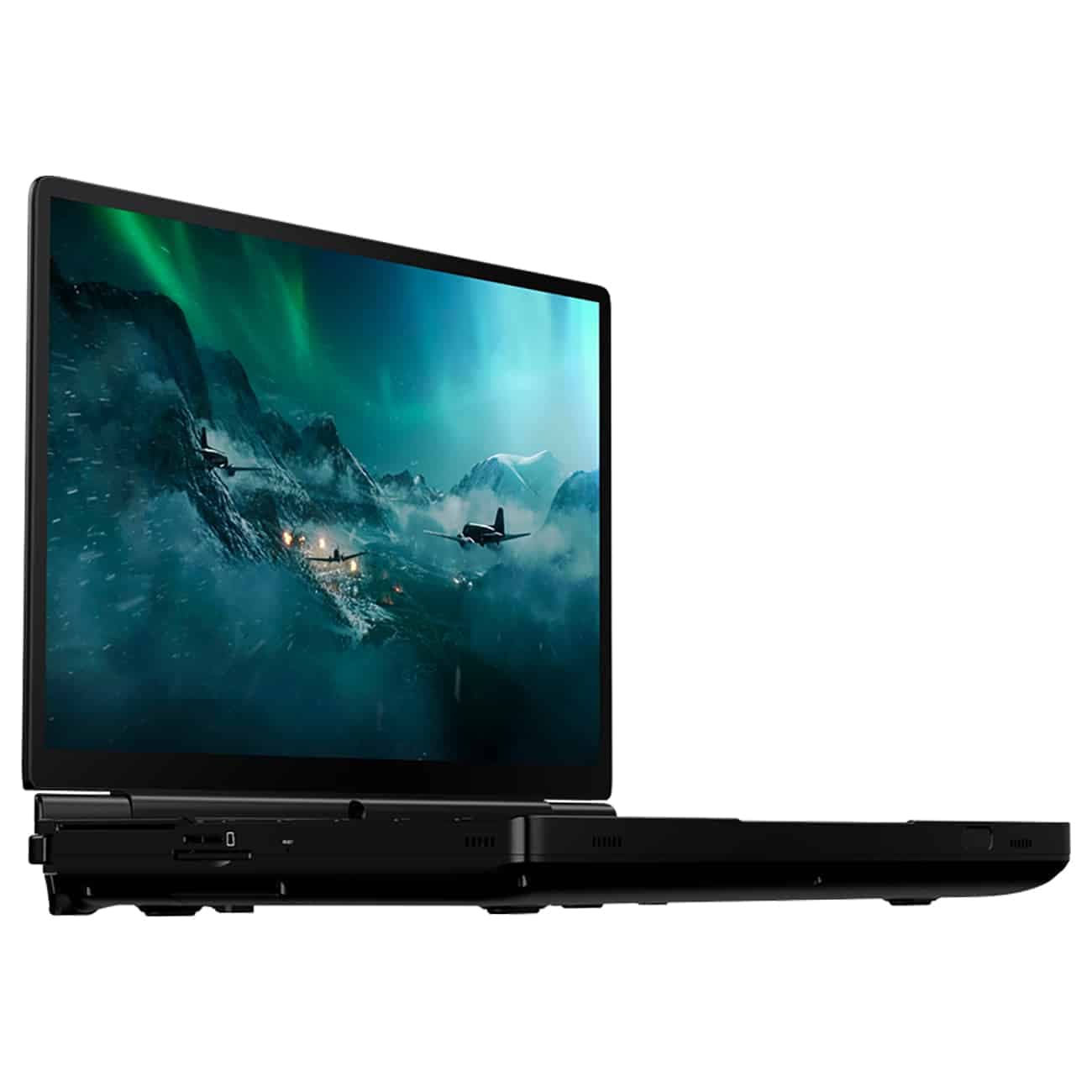
| #4 | GPD Win Max 2 | 7.0 | HX 370 in the clamshell chassis benefits from superior thermal headroom over handheld competitors, sustaining higher TDP gaming loads for longer periods. |
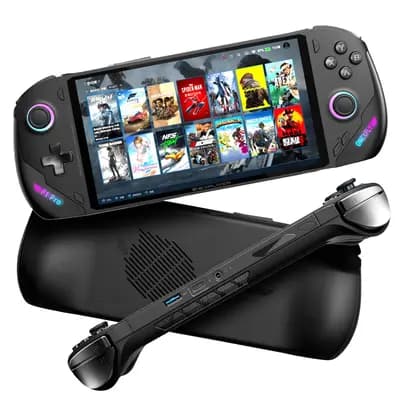
| #5 | OneXFly F1 Pro | 6.0 | HX 370 silicon matches AYANEO 3 and GPD Win Max 2 on paper but the thin-and-light chassis constrains sustained TDP, reducing real-world peak performance under extended demanding workloads. |
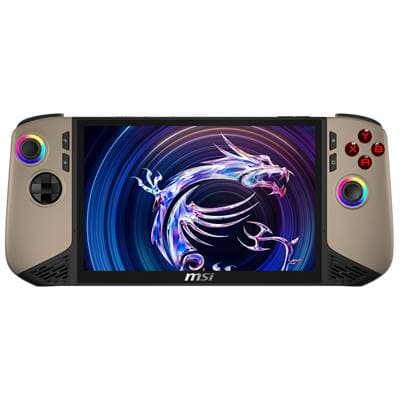
| #6 | MSI Claw 8 AI+ | 5.0 | Intel Lunar Lake Arc 140V trails AMD Z2 Extreme by roughly 6-8.5% in gaming benchmarks at matched power levels, though it operates efficiently and adds hardware ray tracing. |
| #7 | Lenovo Legion Go S (SteamOS) | 4.0 | SteamOS efficiency gains deliver 4-15 fps advantages over Windows equivalents, but the Z2 Go / Z1 Extreme base silicon is slower than Z2 Extreme and HX 370 devices at matched wattage. |
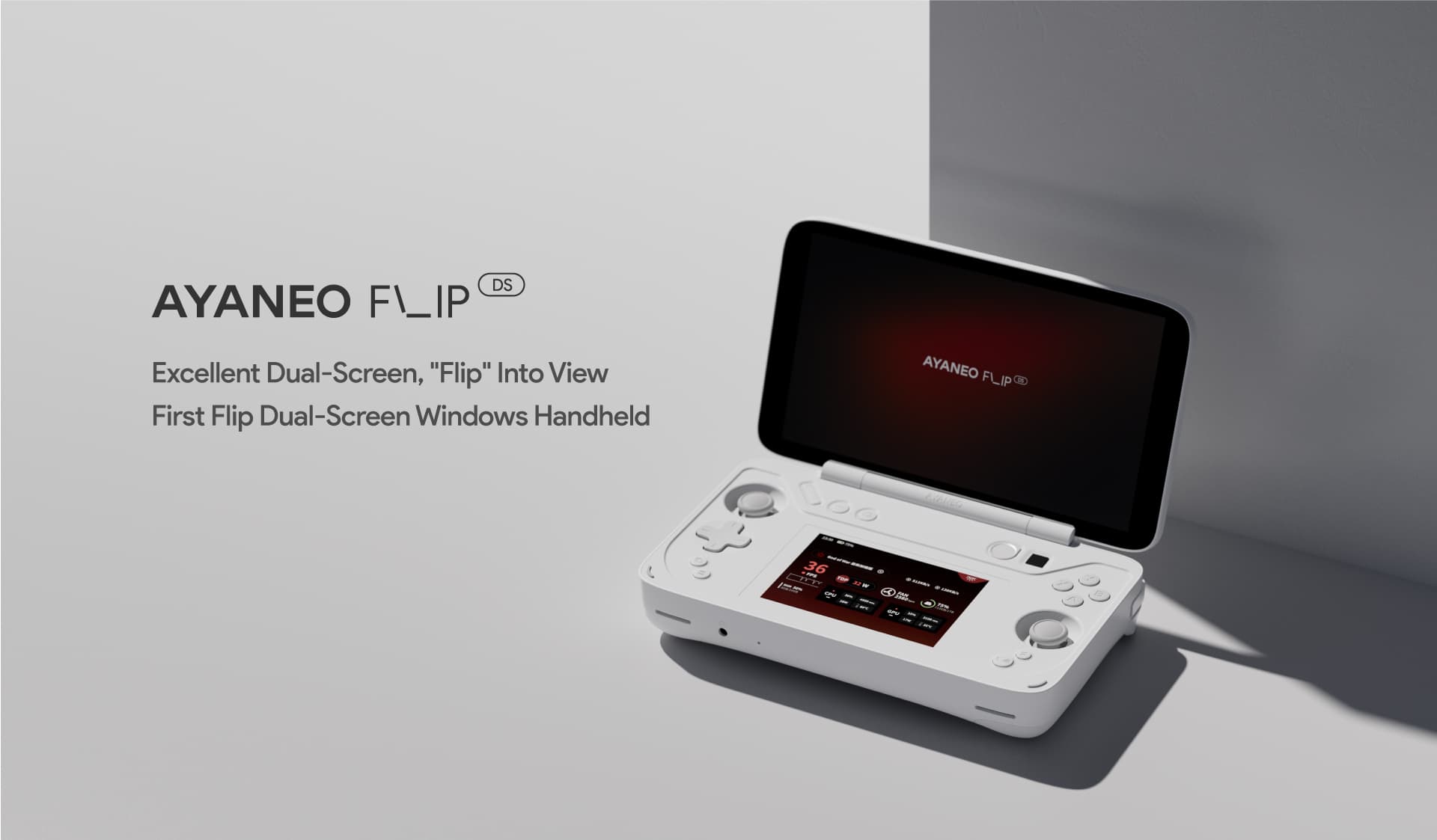
| #8 | AYANEO Flip DS | 3.0 | HX 370 option provides capable performance but the dual-screen power draw and clamshell thermal constraints limit sustained peak gaming output relative to single-screen competitors. |
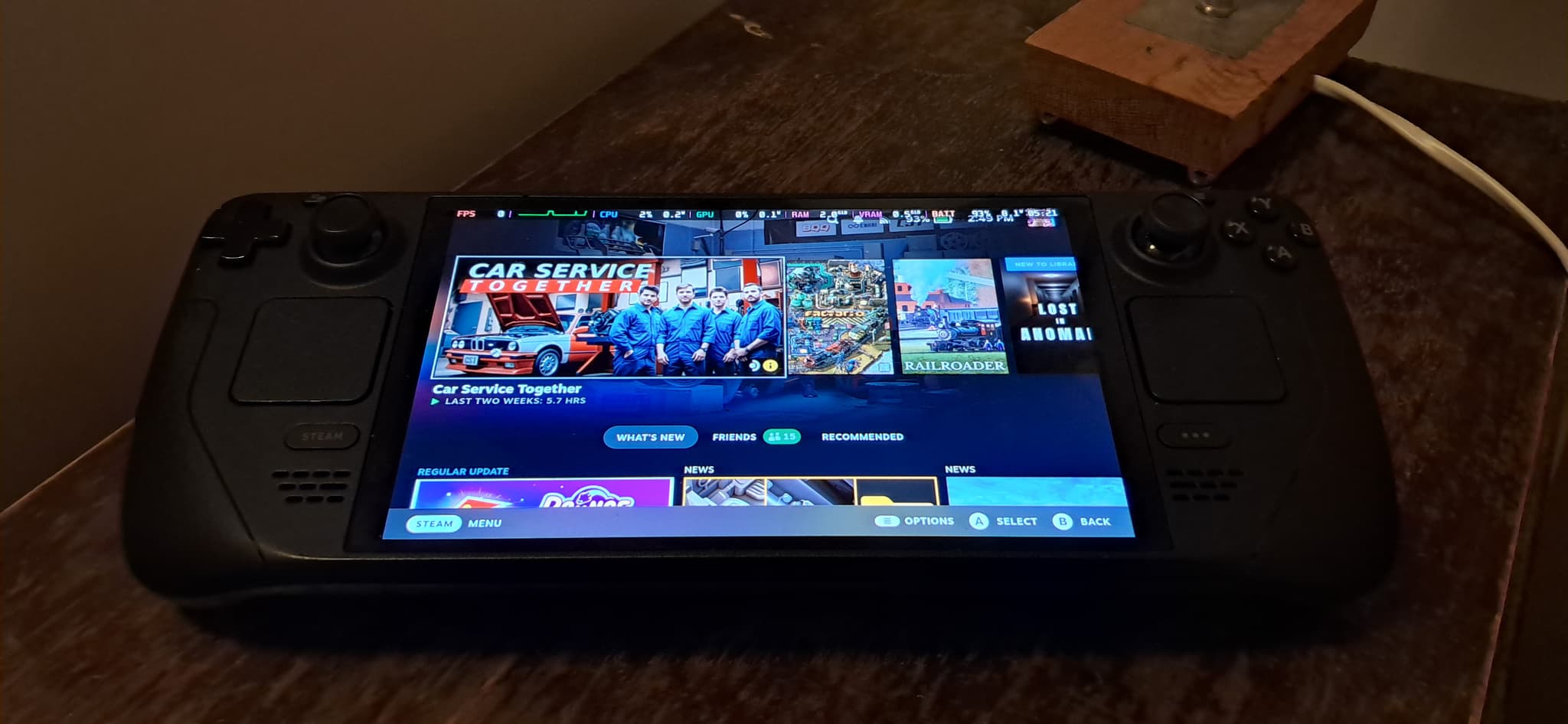
| #9 | Valve Steam Deck OLED | 2.0 | Sephiroth APU based on Zen 2 and RDNA 2 is now two generations behind current silicon, with measurable frame rate gaps in demanding 2025-2026 titles versus Z2 Extreme and HX 370 devices. |
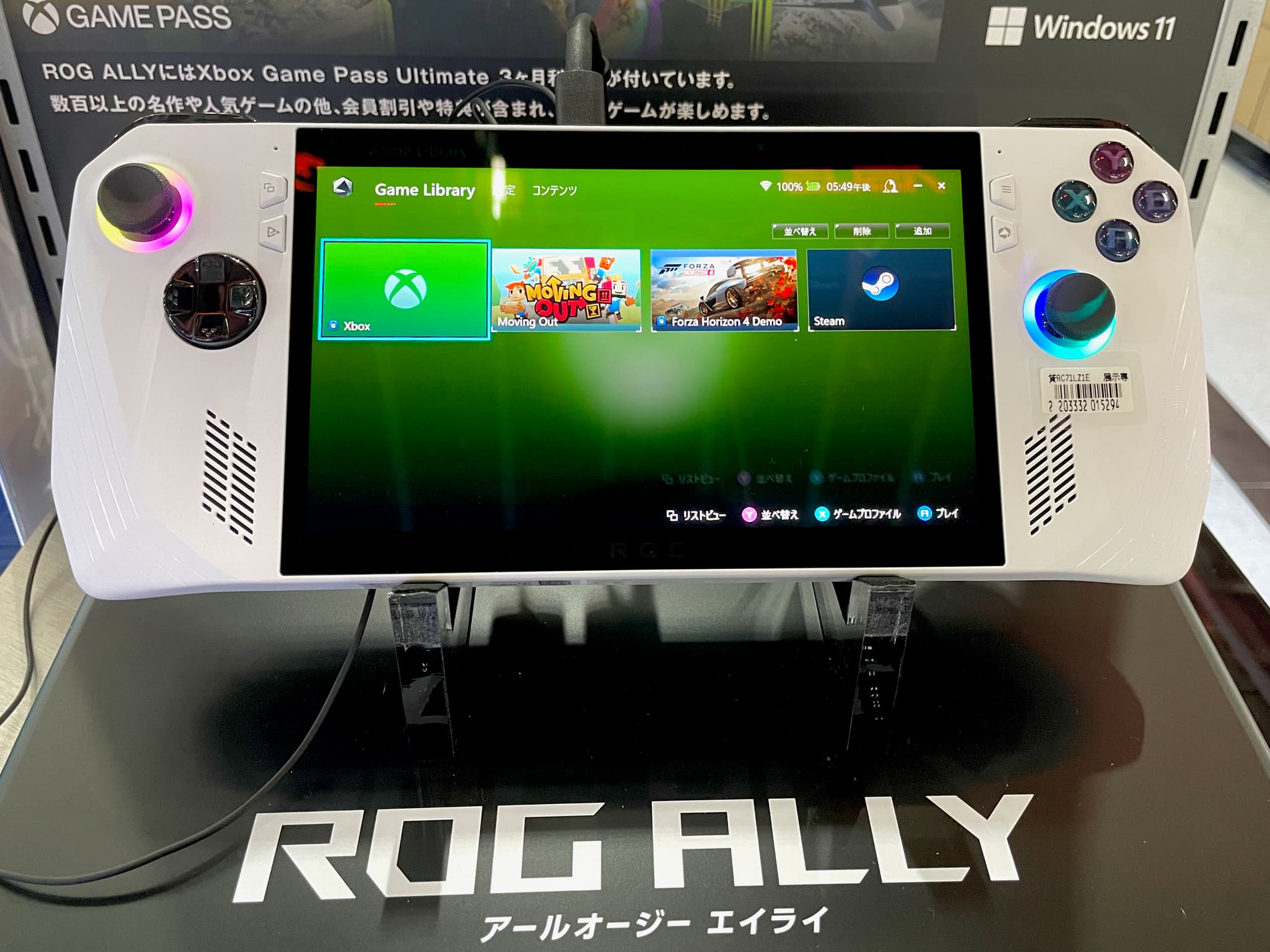
| #10 | ASUS ROG Ally (Z1 Extreme) | 1.0 | Ryzen Z1 Extreme on Zen 4 and RDNA 3 is the oldest silicon in this roundup, trailing all current-generation APUs and placing last in demanding title benchmarks. |
Current Rankings
Get the weekly gaming rundown
Only lists published since the last email. Join the early readers.
- Only Top 10s published in the last 7 days
- One email a week — and none at all in a week with nothing new
- Unsubscribe in one click
No spam. One email per week. Unsubscribe anytime.
Budget for more than the sticker price
Handheld gaming PCs carry real costs beyond the listed price. A protective case is close to mandatory — these devices travel loose in bags with exposed joysticks and glass screens. Models with smaller base storage benefit from an M.2 SSD upgrade, which is a real added expense and, on some devices, a self-service job that can affect warranty coverage depending on the manufacturer. Windows-based handhelds that lean on Xbox Game Pass for their library carry an ongoing subscription cost that SteamOS devices, drawing on an already-owned Steam library, do not. None of that shows up in the headline price, but it changes the real gap between a budget device and a premium one.
Is a handheld even the right form factor?
Before choosing among these ten, it's worth asking whether a handheld is the right tool at all. These chips run at 15-30W; a gaming laptop or desktop at a comparable price is not power-constrained the same way and will substantially outperform any handheld's silicon. If the priority is a big screen with minimal up-front cost, cloud gaming from a phone or tablet over a strong connection sidesteps the hardware question entirely. Handhelds earn their premium specifically for native, no-internet-required performance on the go — if that isn't the actual use case, the money is often better spent elsewhere.
Readers Also Ranked
More Lists Like This
Top 10 Best Fighting Games Ever
- #1Street Fighter III: 3rd Strike
- #2Tekken 7
- #3Super Smash Bros. Melee

Top 10 Best Gaming Consoles of All Time
- #1PlayStation 2
- #2Nintendo DS
- #3Nintendo Switch
Top 10 Best Nintendo Switch Games of 2025
- #1The Legend of Zelda: Tears of the Kingdom
- #2Mario Kart 8 Deluxe
- #3Super Smash Bros. Ultimate

Top 10 Worst Gaming Community Behaviors
- #1Death Threats to Developers
- #2Swatting
- #3Review Bombing
Frequently asked questions
What is a handheld gaming PC and how is it different from a gaming console?
A handheld gaming PC is a portable device running a full desktop operating system (typically Windows or Linux) that can play PC games, unlike consoles which use proprietary software. This means handheld gaming PCs have access to PC storefronts like Steam, Epic Games Store, and GOG, giving them a vastly larger game library.
What specs should I look for when buying a handheld gaming PC in 2026?
The most important specs to consider are the APU (AMD Ryzen AI or Intel Core Ultra series are top choices in 2026), RAM (16GB minimum, 32GB preferred), storage (NVMe SSD of at least 512GB), and display resolution and refresh rate (1080p at 120Hz is the current sweet spot). Battery capacity (50Wh+) and TDP range also heavily impact real-world performance and playtime.
How long does the battery last on handheld gaming PCs?
Battery life varies significantly based on game demands and TDP settings, typically ranging from 1.5 to 3 hours during demanding AAA titles and up to 6–8 hours for lighter indie games or emulation. Most devices in 2026 include power-saving modes that let users extend battery life by capping performance.
Can handheld gaming PCs run the latest AAA games in 2026?
Yes, the top handheld gaming PCs in 2026 can run most modern AAA games, though typically at medium settings and 1080p or 800p resolution to maintain playable frame rates. Features like AMD FSR 4 and Intel XeSS upscaling help bridge the performance gap, delivering smooth gameplay without a major visual quality hit.
What is the typical price range for a handheld gaming PC in 2026?
Handheld gaming PCs in 2026 generally range from $400–$900 USD, with budget-friendly options offering solid 1080p performance and premium models featuring higher-end APUs, OLED displays, and larger batteries. It's worth comparing value at each price tier, as mid-range devices ($500–$700) often offer the best performance-per-dollar.
Discussion
Have a take on this ranking?
Comments are how the argument actually happens here. Posting one needs a free account — it takes about a minute.
No comments yet.
The first comment sets the terms of the argument.
Would your top 10 look different?
Publish your own ranking of this topic. Your list gets its own page, and readers vote on it the same way you just voted on this one.
Build your own Top 10You might also want to rank…
 Top 10 Worst Game Endings
 Top 10 Worst Game Sequels
 Top 10 Steam — Top Sellers — May 11–May 17, 2026
 Top 10 Worst Gaming Trends
Explore more Gaming rankings on Top10Grid
People Also Explore
Because you're viewing Gaming

Steam Top Sellers: Week 20, 2026 — Top 10 Best-Selling Games (May 12–19)
182 views · 0 votes

Top 10 Best-Selling & Most Iconic Video Game Characters of All Time Ranked by Franchise Value
184 views · 0 votes
Top 10 Best Co-Op Games of 2025
185 views · 0 votes
Top 10 Indie Games That Became Mainstream Hits of All Time (From Minecraft to Balatro)
191 views · 0 votes

Top 10 Greatest Chess Players of All Time
194 views · 0 votes

The 10 Best Esports Players of 2025, Ranked by Wins and Impact
196 views · 0 votes
You might also like
GAMINGSame category
Top 10 Worst Gaming Community Behaviors
10 items
GAMINGSame category
Top 10 Best Racing Games of 2025
10 items
GAMINGSame category
Top 10 Most Controversial Gaming Moments
10 items

GAMINGSame category
Top 10 Best Horror Games of All Time — Ranked by Atmosphere & Terror
10 items

GAMINGSame category
Top 10 Steam — Top Sellers — Mar 16–Mar 22, 2026
10 items

GAMINGSame category
Top 10 Best Racing Games of All Time
10 items