










Rail transport / Wikipedia
Compare
Top 10 Regenerative Travel Destinations Making a Positive Impact in 2026
Regenerative travel goes beyond reducing harm—it means leaving destinations better than you found them through measurable ecological, cultural, and economic contributions. In 2026, a growing wave of destinations is pioneering this movement, attracting travelers who want sustainable tourism with real impact. Costa Rica's jaguar corridor project is restoring critical wildlife connectivity across 500,000+ acres. Australia's coral nurseries are actively rebuilding damaged Great Barrier Reef sections. Iceland's carbon-negative eco-lodges offset more emissions than they produce. And Botswana's community-led safari experiences empower indigenous tribes while protecting 17 million acres of pristine wilderness. These aren't isolated examples—our curated list of 10 regenerative travel destinations shows you where responsible travel directly funds ecosystem restoration, endangered species protection, and climate action. Whether you're seeking transformative eco-tourism experiences or want your vacation to support global conservation, discover the destinations that prove impact travel and unforgettable vacations go hand in hand.
717 views
Top10Grid rankings are decided by votes, not algorithms — use the buttons below to move this list.
Compare by Dimension
Measurable ecological outcomes directly attributable to tourism — species recovery, habitat restoration, carbon sequestration, rewilding progress
| Rank | Item | Score | Notes |
|---|---|---|---|
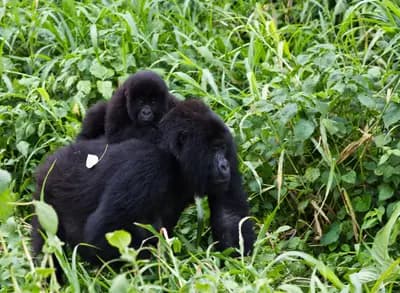
| #1 | Rwanda — Volcanoes National Park & Gorilla Conservation | 10.0 | 73% gorilla population recovery since 1989 — most documented species comeback directly tied to tourism revenue globally |
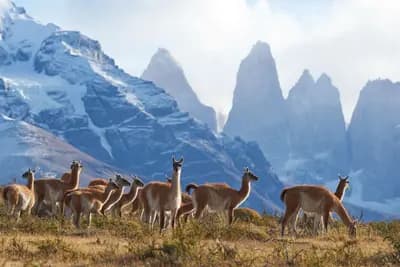
| #2 | Patagonia, Chile & Argentina — The Route of Parks Rewilding Corridor | 10.0 | Jaguar reintroduction (14 wild cubs), condor release (25 birds), huemul corridor — multiple simultaneous rewilding successes |
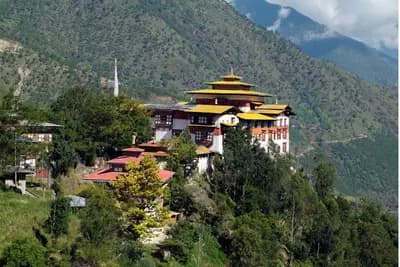
| #3 | Bhutan — The Kingdom That Made Carbon-Negativity Constitutional | 9.0 | Constitutional forest cover guarantee, carbon-negative status, and 95% hydropower are legally enforced ecological outcomes |
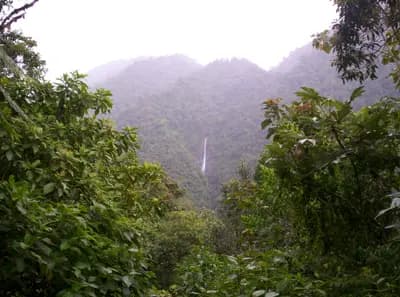
| #4 | Costa Rica — Osa Peninsula & the Regenerative Rainforest Economy | 9.0 | Deforestation reversed from 21% to 59% forest cover — most dramatic tropical forest recovery documented globally |
| #5 | Peru — Manu Biosphere Reserve & Indigenous-Led Amazon Tourism | 9.0 | 1.5M-hectare UNESCO reserve with 20-year biodiversity baseline and GCF-funded indigenous conservation programs |
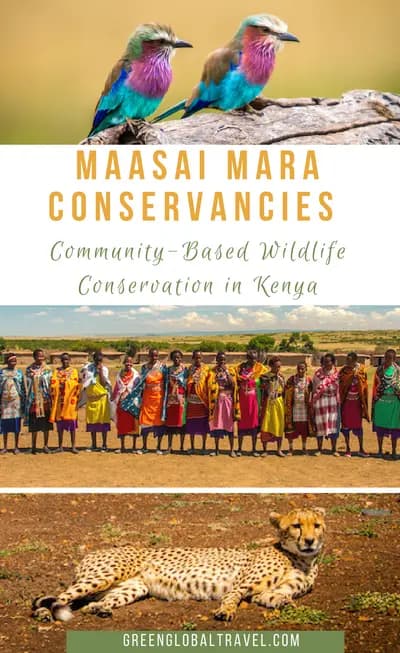
| #6 | Kenya — Maasai Mara Community Conservancies | 8.0 | Wildlife densities in conservancies now rival national reserve — documented reversal of land degradation across 180,000 hectares |
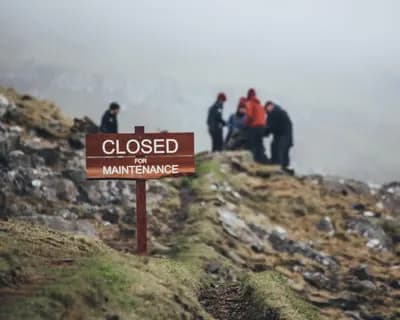
| #7 | Faroe Islands — 'Closed for Maintenance' and the Preservolution Model | 8.0 | Closed for Maintenance 2026 establishes Koltur Island as 80% grazing-free reserve — measurable habitat restoration by design |
| #8 | Portugal — Alentejo Cork Forests & the Montado Agritourism Renaissance | 8.0 | 4M+ tonnes CO2 sequestered annually; Iberian lynx recovery from near-zero to growing population is a genuine conservation success |
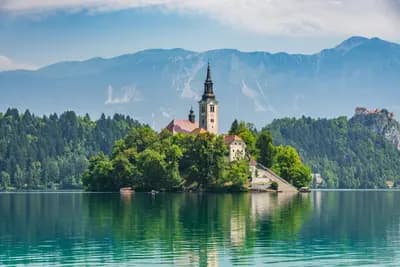
| #9 | Slovenia — Europe's Greenest Nation Raises the Bar | 7.0 | 60% forest cover, marble trout protection, Triglav NP permit systems demonstrating active conservation management |
| #10 | Iceland — Geothermal Civilization & the Rewilding of a Denuded Land | 7.0 | 99% renewable electricity and active soil/land restoration program, though deforestation reversal is early-stage |
Current Rankings
Get the weekly travel rundown
Only lists published since the last email. Join the early readers.
- Only Top 10s published in the last 7 days
- One email a week — and none at all in a week with nothing new
- Unsubscribe in one click
No spam. One email per week. Unsubscribe anytime.
Two Different Ways to Pay for Conservation: Scarcity vs. Sweat Equity
The destinations on this list fund conservation through two fundamentally different mechanisms, and it's worth knowing which one you're signing up for. Rwanda and Bhutan use a high-price, capped-access model: a $1,500 gorilla permit or a $100-a-night development fee deliberately limits volume while maximizing revenue per visitor, and that money is the conservation budget. The Faroe Islands' 'Closed for Maintenance' program works the opposite way — it asks for a few days of physical labor instead of money, trading conservation work for accommodation. Neither model is more '‘authentic'’ than the other, but they demand completely different things from a traveler: a bigger budget in one case, a plane ticket and a willingness to dig fence posts in the rain in the other.
Most of This Predates the Marketing Term
'Regenerative travel' is a relatively recent label, but almost none of what's on this list was built for tourists first. Costa Rica's FONAFIFO payments-for-ecosystem-services scheme and Kenya's conservancy leases are land-use policy that happens to also work as tourism infrastructure. Portugal's montado cork forests have been managed the same way for centuries for cork, not for visitors. The common thread across this list isn't a certification badge — it's that tourism revenue arrived after a conservation or land-use system already existed, and made that system more financially durable rather than inventing it from scratch.
Readers Also Ranked
More Lists Like This

Top 10 Things to Do in Warsaw
- #1Warsaw Old Town
- #2Royal Castle Warsaw
- #3Palace of Culture and Science

Top 10 Best Road Trips in America
- #1Pacific Coast Highway (California)
- #2Route 66 (Chicago to Santa Monica)
- #3Blue Ridge Parkway (Virginia to North Carolina)
Top 10 Most Beautiful Beaches in the Caribbean
- #1Grace Bay Beach, Turks and Caicos
- #2Eagle Beach, Aruba
- #3Shoal Bay, Anguilla

Top 10 Argentina Destinations in 2026
- #1Buenos Aires
- #2El Calafate & Perito Moreno Glacier
- #3Iguazu Falls
Frequently asked questions
What is regenerative travel and how is it different from sustainable tourism?
Regenerative travel goes beyond sustainability by actively restoring ecosystems, strengthening local communities, and leaving destinations better than before — whereas sustainable tourism simply aims to minimize negative impact.
Which regions are leading in regenerative travel destinations in 2026?
In 2026, Central America (Costa Rica, Belize), Southeast Asia (Palau, Indonesia), and parts of Southern Europe and East Africa are recognized as top regions for regenerative travel due to their community-led conservation programs and eco-restoration initiatives.
How can I verify that a travel destination or operator is truly regenerative?
Look for certifications such as B Corp, Global Sustainable Tourism Council (GSTC), or Travelife, and check whether operators reinvest revenue into local conservation projects, employ local communities, and measure ecological impact.
Is regenerative travel more expensive than conventional tourism?
Regenerative travel experiences can cost 15–40% more than conventional options, as prices reflect fair wages, conservation funding, and small-group or low-impact logistics, but many travelers find the deeper cultural and environmental value well worth the premium.
What activities are typically involved in regenerative travel?
Common regenerative travel activities include coral reef restoration, reforestation projects, wildlife monitoring, farm-to-table agritourism with local farmers, and cultural immersion programs that directly fund indigenous community initiatives.
Discussion
Have a take on this ranking?
Comments are how the argument actually happens here. Posting one needs a free account — it takes about a minute.
No comments yet.
The first comment sets the terms of the argument.
Would your top 10 look different?
Publish your own ranking of this topic. Your list gets its own page, and readers vote on it the same way you just voted on this one.
Build your own Top 10More Travel Rankings
You might also want to rank…
 Top 10 Middle Eastern Luxury Hotels
 Top 10 Solo Travel Destinations Where You'll Never Feel Alone
 Top 10 Luxury Hotels in Turkey 2026
 Top 10 Wildlife Sanctuaries in India 2026
Explore more Travel rankings on Top10Grid
People Also Explore
Because you're viewing Travel
Top 10 Things to Do in Mendoza in 2026
154 views · 0 votes
Top 10 Most Underrated National Parks in the USA
154 views · 0 votes
Top 10 Canadian Cities to Visit in 2026
156 views · 0 votes

Top 10 Things to Do in Dubai in 2026
157 views · 0 votes
Top 10 Iconic UAE Landmarks in 2026
157 views · 0 votes
Top 10 Italian Beaches in 2026
159 views · 0 votes
You might also like

TRAVELSame category
Top 10 Thailand Temples in 2026
10 items
TRAVELSame category
Top 10 Most Beautiful National Parks in the World
10 items
TRAVELSame category
Top 10 Best Things to Do in Peru
10 items

TRAVELSame category
Top 10 Best Solo Travel Destinations for Women 2026
10 items
TRAVELSame category
Top 10 Historic Sites in the UAE in 2026
10 items
TRAVELSame category
Top 10 Things to Do in Bali in 2026
10 items