

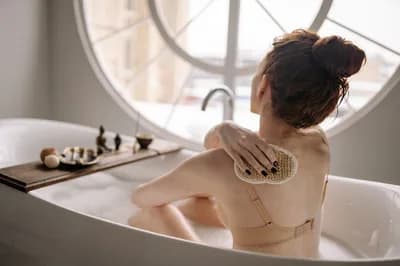
Occupational therapy / Wikipedia
Top 10 Self-Care Rituals That Science Actually Backs Up
No influencer nonsense — just 10 self-care rituals with peer-reviewed evidence behind them. Cold plunges spike norepinephrine, forest bathing drops cortisol, and a 60-second breathwork pattern outperformed meditation in a 2023 Stanford trial. Scroll, vote for the one you'll actually try, and #10 breaks the photo pattern on purpose.
2026124 views
Top10Grid rankings are decided by votes, not algorithms — use the buttons below to move this list.
Current Rankings
Vote items up or down — rankings update instantly
Get the weekly health rundown
Only lists published since the last email. Join the early readers.
- Only Top 10s published in the last 7 days
- One email a week — and none at all in a week with nothing new
- Unsubscribe in one click
No spam. One email per week. Unsubscribe anytime.
Self-Care Rituals FAQ
## What counts as a science-backed self-care ritual? A practice supported by peer-reviewed human studies — typically randomized controlled trials or meta-analyses — showing measurable effects on stress, sleep, mood, or immune markers.
## How were these 10 rituals chosen? Each item cites a named study, journal, or research institution in its description. We prioritized practices with reproducible results over one-off findings.
## Which ritual has the strongest evidence? Sleep hygiene and gratitude journaling have the deepest evidence bases, with decades of replication. Cold exposure and forest bathing are newer but show consistent effect sizes.
## Can I try all 10 at once? No. The studies stack best when introduced one at a time over 2–4 weeks, so your nervous system can adapt (especially for cold plunges and breathwork).
Readers Also Ranked
More Lists Like This

15 Top-Rated Paediatricians for Kids in Hong Kong (2026 Guide)
- #1Dr. David Lau Chi-Kong — Matilda International Hospital
- #2Dr. Lam Siu-Kwan — HK Sanatorium & Hospital Paediatric Centre
- #3Dr. Cindy Lam — Central Paediatrics Clinic
Top 10 Wellness & Spa Retreats in Thailand in 2026
- #1Chiva-Som, Hua Hin
- #2Kamalaya, Koh Samui
- #3RAKxa, Bangkok
Top 10 Fitness Studios in Singapore 2026
- #1Barry's Singapore
- #2F45 Training Tanjong Pagar
- #3Absolute You
Top 10 Most Debated: Cardio vs Weights
- #1Fat Loss Efficiency
- #2Cardiovascular Health Outcomes
- #3Longevity and All-Cause Mortality
Frequently asked questions
What are the most effective science-backed self-care rituals?
Effective rituals include moderate exercise, adequate sleep, mindfulness meditation, gratitude journaling, and spending time in nature, each supported by research showing improvements in mood, stress reduction, and overall well-being.
How often should I practice these rituals to see benefits?
Most studies show consistent daily practice—such as 10–15 minutes of meditation or 30 minutes of exercise three to five times per week—yields measurable improvements in mental and physical health within a few weeks.
Can science-backed self-care rituals improve mental health conditions like anxiety or depression?
Yes, rituals like cognitive-behavioral journaling, aerobic exercise, and mindfulness-based stress reduction have been clinically shown to reduce symptoms of anxiety and depression by regulating stress hormones and improving emotional regulation.
What is the simplest science-backed self-care ritual for reducing daily stress?
A 10-minute mindfulness meditation or a brief walk outdoors in green space can significantly lower cortisol levels and activate the parasympathetic nervous system, providing immediate stress relief.
How do I know if a self-care ritual is genuinely backed by science?
Look for rituals supported by peer-reviewed studies published in reputable journals, meta-analyses, or guidelines from major health organizations like the APA or WHO—common examples include exercise, sleep hygiene, and gratitude practices.
Discussion
Have a take on this ranking?
Comments are how the argument actually happens here. Posting one needs a free account — it takes about a minute.
No comments yet.
The first comment sets the terms of the argument.
Would your top 10 look different?
Publish your own ranking of this topic. Your list gets its own page, and readers vote on it the same way you just voted on this one.
Build your own Top 10You might also want to rank…
 Top 10 Italian Wellness & Spa Destinations in 2026
 Top 10 Best Fitness Apps of 2025
 Top 10 Most Impactful AI Applications in Healthcare 2025
 The 10 Healthiest Foods of 2026, Ranked by the Science
Explore more Health rankings on Top10Grid
People Also Explore
Because you're viewing Health
Top 10 Best Sleep Improvement Techniques
103 views · 0 votes
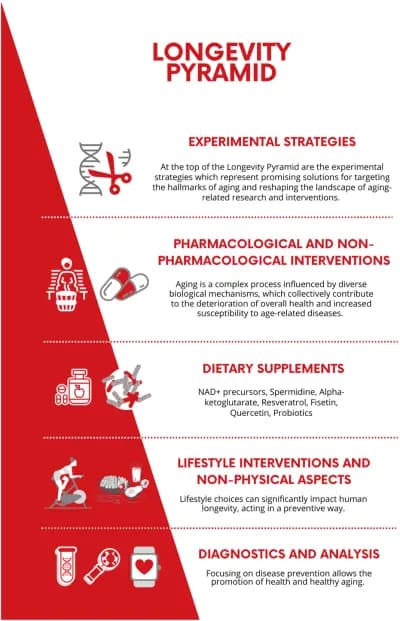
Top 10 Evidence-Based Longevity Supplements & Compounds Every Biohacker Should Know
103 views · 0 votes

Top 10 Things Every First-Time Mom Wishes She Knew Before Giving Birth
103 views · 0 votes
Top 10 Best Health Podcasts
104 views · 0 votes
Top 10 Celebrities Who Made Wellness a Billion-Dollar Industry
104 views · 0 votes
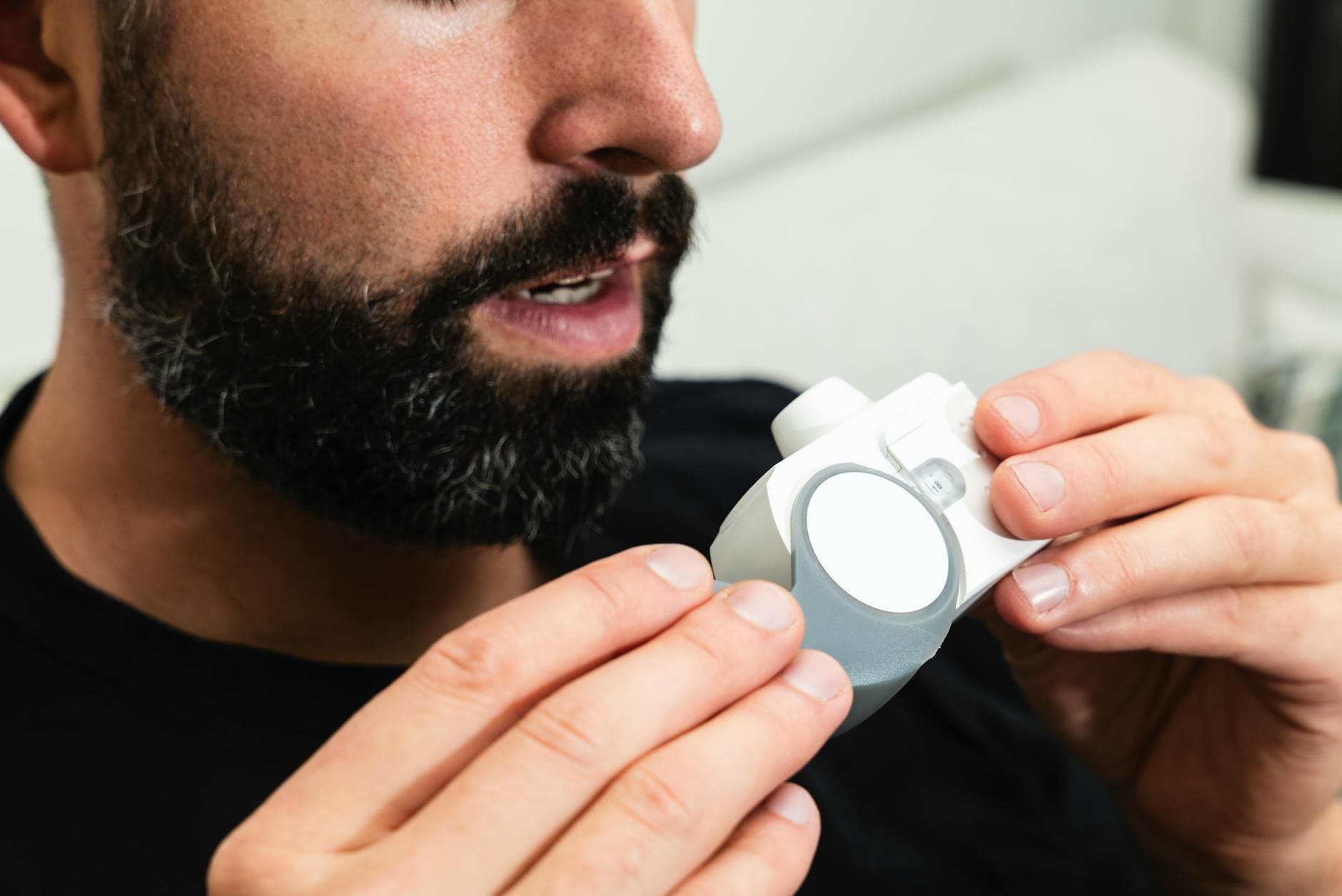
Top 10 Most Overrated Fitness Trends of 2026
104 views · 0 votes
You might also like
HEALTHSame type
Top 10 Best Sleep Improvement Techniques
10 items
HEALTHSame type
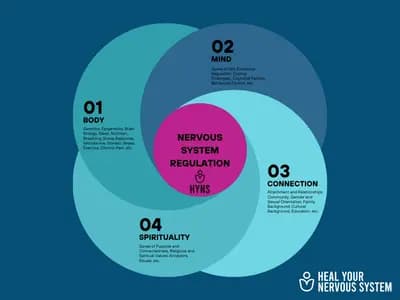
Top 10 Neurowellness Techniques for Nervous System Regulation in 2026
10 items
HEALTHSame type
Top 10 Wellness Trends Actually Backed by Science in 2026
10 items
HEALTHSame type
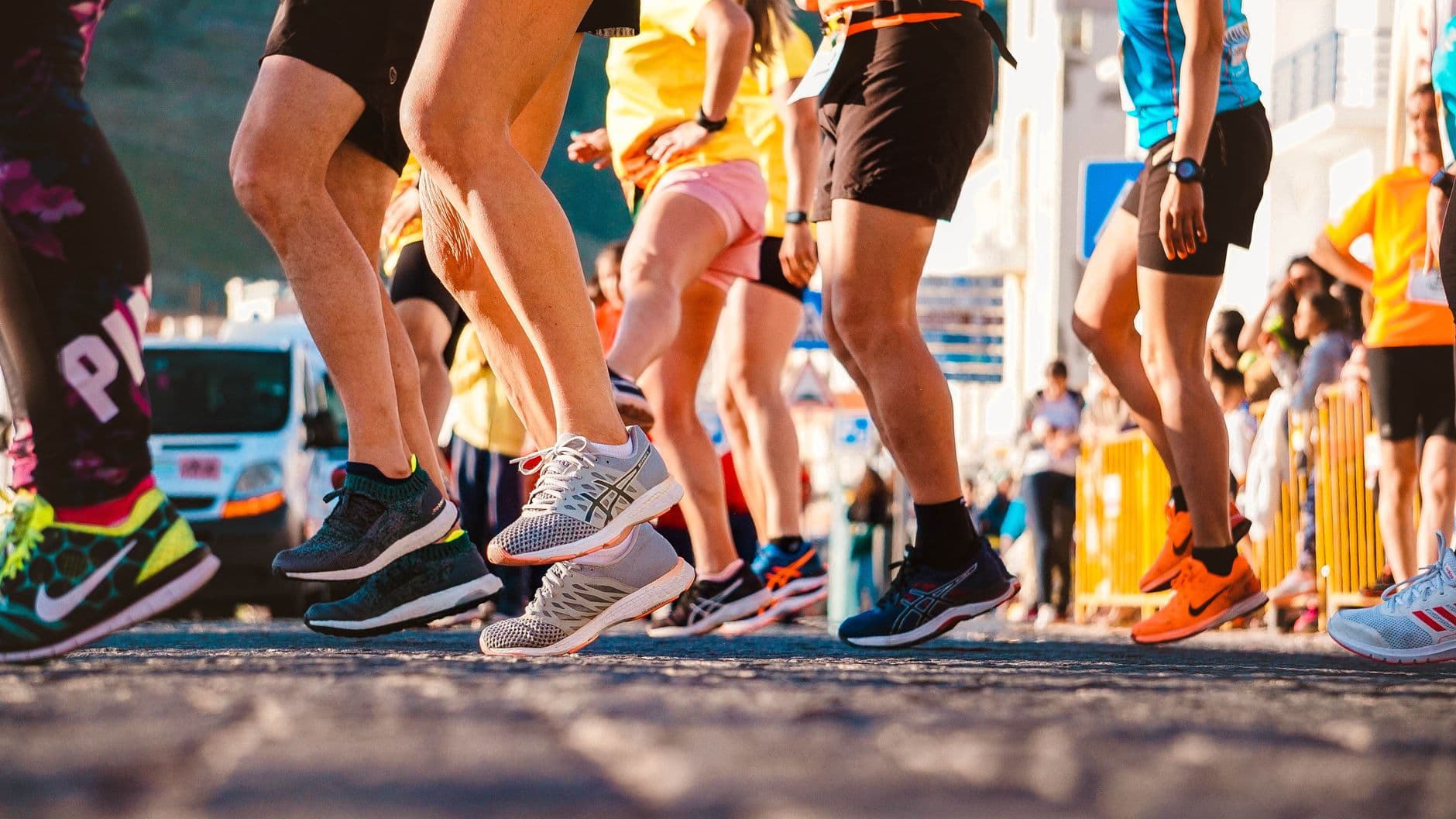
Top 10 Best Running Shoes for Health 2026
10 items
HEALTHSame type
Top 10 Home Gym Equipment Worth the Investment
10 items
HEALTHSame type
Top 10 Celebrities Who Made Wellness a Billion-Dollar Industry
10 items
More in Health
See all
Top 10 GLP-1 Alternatives and Next-Generation Weight Loss Treatments of 2026
10 items · 286 views
Top 10 Best AI Fitness Apps for Personalized Workouts in 2026
10 items · 287 views
Top 10 Evidence-Based Ways to Reduce Chronic Inflammation
10 items · 287 views
Top 10 Sports Sunscreens SPF 50+ for Summer 2026
10 items · 291 views