




Animal
Top 10 Most Damaging Plastic Pollution Sources Choking Our Planet
Plastic production has surpassed 400 million tonnes annually, and these are the most egregious sources choking our rivers, oceans, and food chains, sparking furious debate over corporate responsibility versus consumer behaviour.
2026112 views
Top10Grid rankings are decided by votes, not algorithms — use the buttons below to move this list.
Current Rankings
Vote items up or down — rankings update instantly
Get the weekly nature rundown
Only lists published since the last email. Join the early readers.
- Only Top 10s published in the last 7 days
- One email a week — and none at all in a week with nothing new
- Unsubscribe in one click
No spam. One email per week. Unsubscribe anytime.
Readers Also Ranked
More Lists Like This
Top 10 Worst Extinction Events in History
- #1Permian-Triassic Extinction (252 million years ago)
- #2Cretaceous-Paleogene Extinction (66 million years ago)
- #3Late Devonian Extinction (375-359 million years ago)
Top 10 Tulip & Flower Experiences in the Netherlands 2026
- #1Keukenhof Gardens
- #2Bollenstreek Flower Fields
- #3Aalsmeer Flower Auction
Top 10 Worst Invasive Species
- #1Cane Toad (Rhinella marina)
- #2Asian Tiger Mosquito (Aedes albopictus)
- #3Burmese Python (Python bivittatus)
Top 10 Cenotes in Mexico 2026: Best Sacred Swimming Holes & Cave Dives
- #1Cenote Ik Kil
- #2Gran Cenote, Tulum
- #3Dos Ojos Cenote System
Frequently asked questions
What are the top sources of plastic pollution?
The top sources include single-use plastics like bags, bottles, and straws, as well as fishing nets, packaging, and microplastics from synthetic clothing and tire wear.
How does plastic pollution harm marine wildlife?
Marine animals ingest plastic, which can cause internal injuries, starvation, and death, or become entangled in larger debris like fishing nets, leading to drowning or suffocation.
Can plastic pollution be reduced by individual actions?
Yes, reducing single-use plastics, recycling properly, and choosing reusable alternatives can significantly cut down the amount of plastic entering the environment.
What is the biggest contributor to ocean plastic pollution?
Fishing nets and gear account for nearly half of the plastic in the Great Pacific Garbage Patch, while land-based sources like plastic bags and packaging dominate overall pollution.
Why is microplastic pollution a concern?
Microplastics are small enough to enter the food chain, potentially transferring toxic chemicals to animals and humans, and they are extremely difficult to remove from the environment.
Discussion
Have a take on this ranking?
Comments are how the argument actually happens here. Posting one needs a free account — it takes about a minute.
No comments yet.
The first comment sets the terms of the argument.
Would your top 10 look different?
Publish your own ranking of this topic. Your list gets its own page, and readers vote on it the same way you just voted on this one.
Build your own Top 10More Animals Rankings
6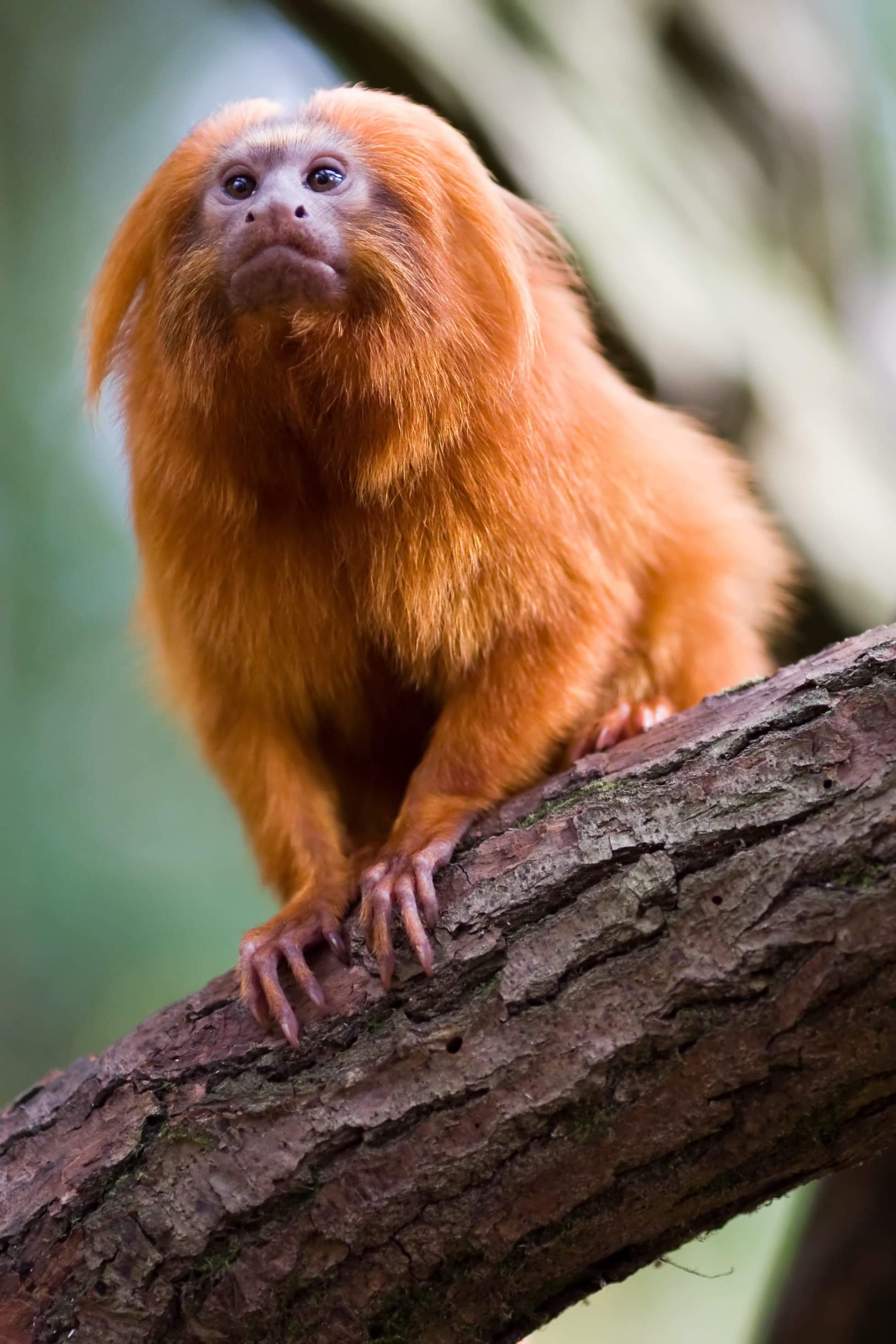
Top 10 Endangered Species We Could Still Save in 2026
124 views · @admin
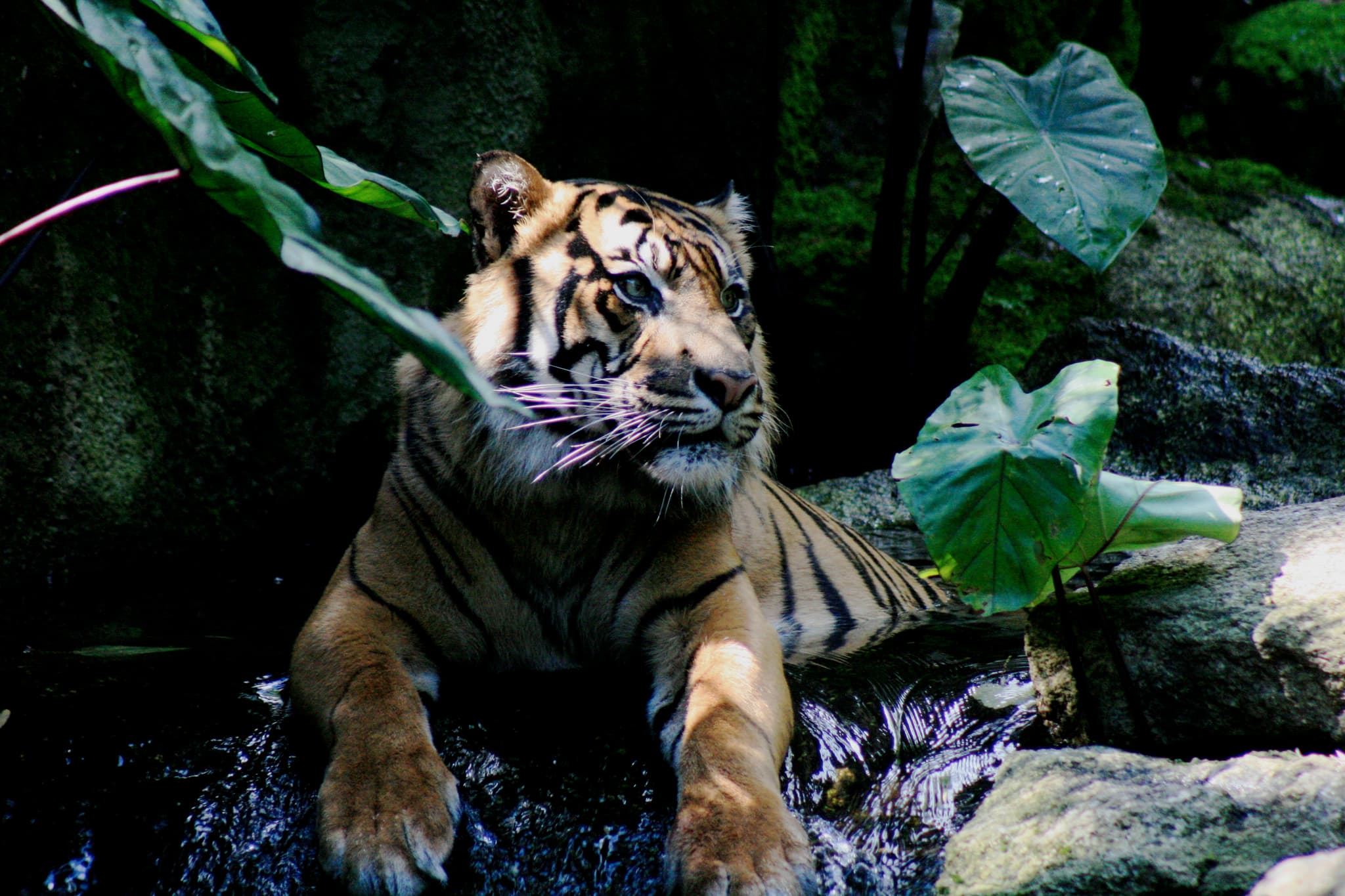
10 Iconic Indonesian Wildlife Encounters You Must See (Komodo, Orangutans, Raja Ampat)
128 views · @admin
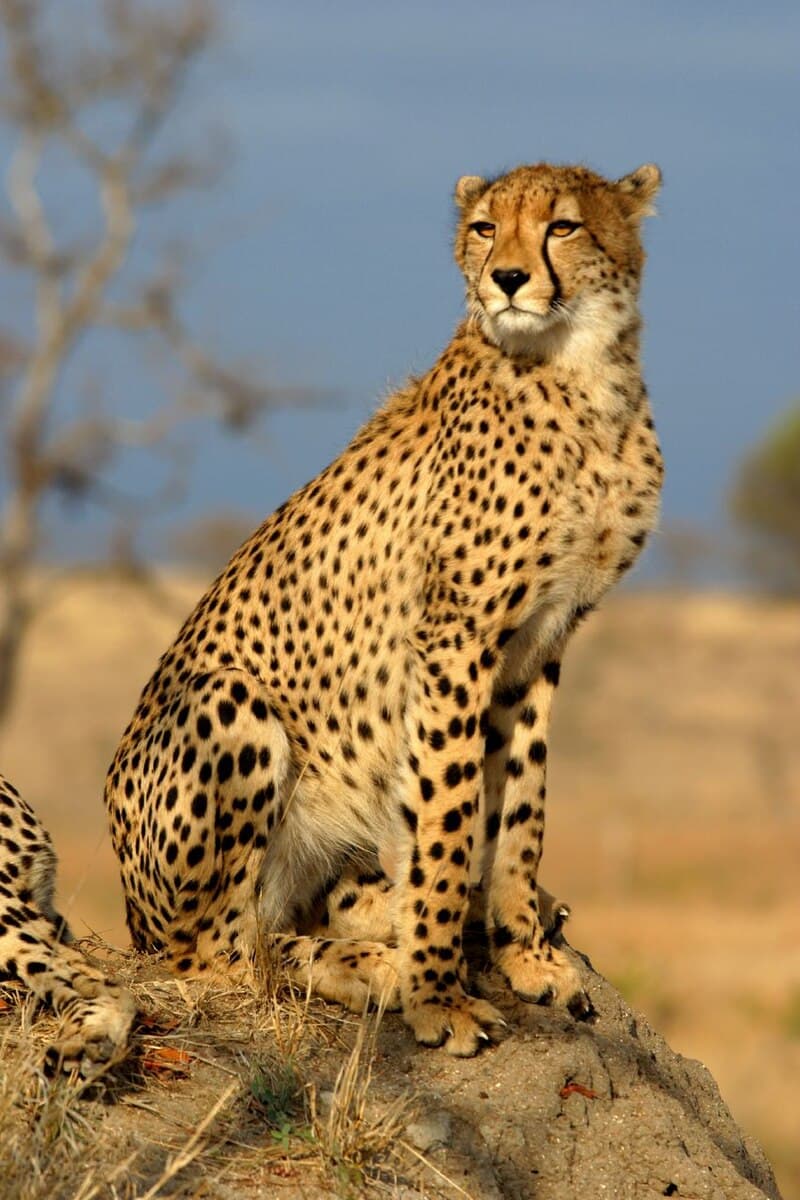
The Fastest Animals on Earth
130 views · @admin
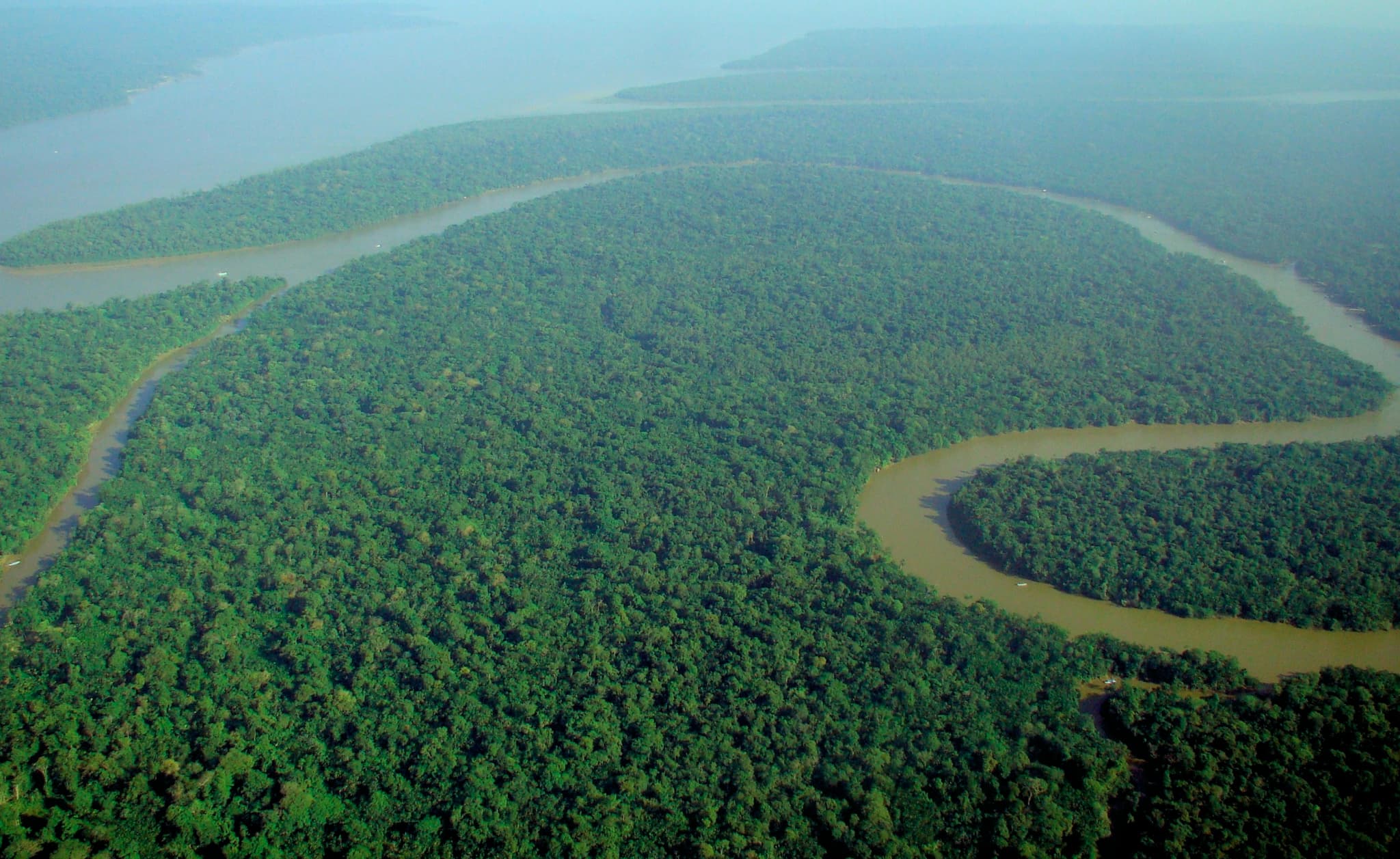
Top 10 Most Beautiful Forests in the World to Visit in 2026
133 views · @admin
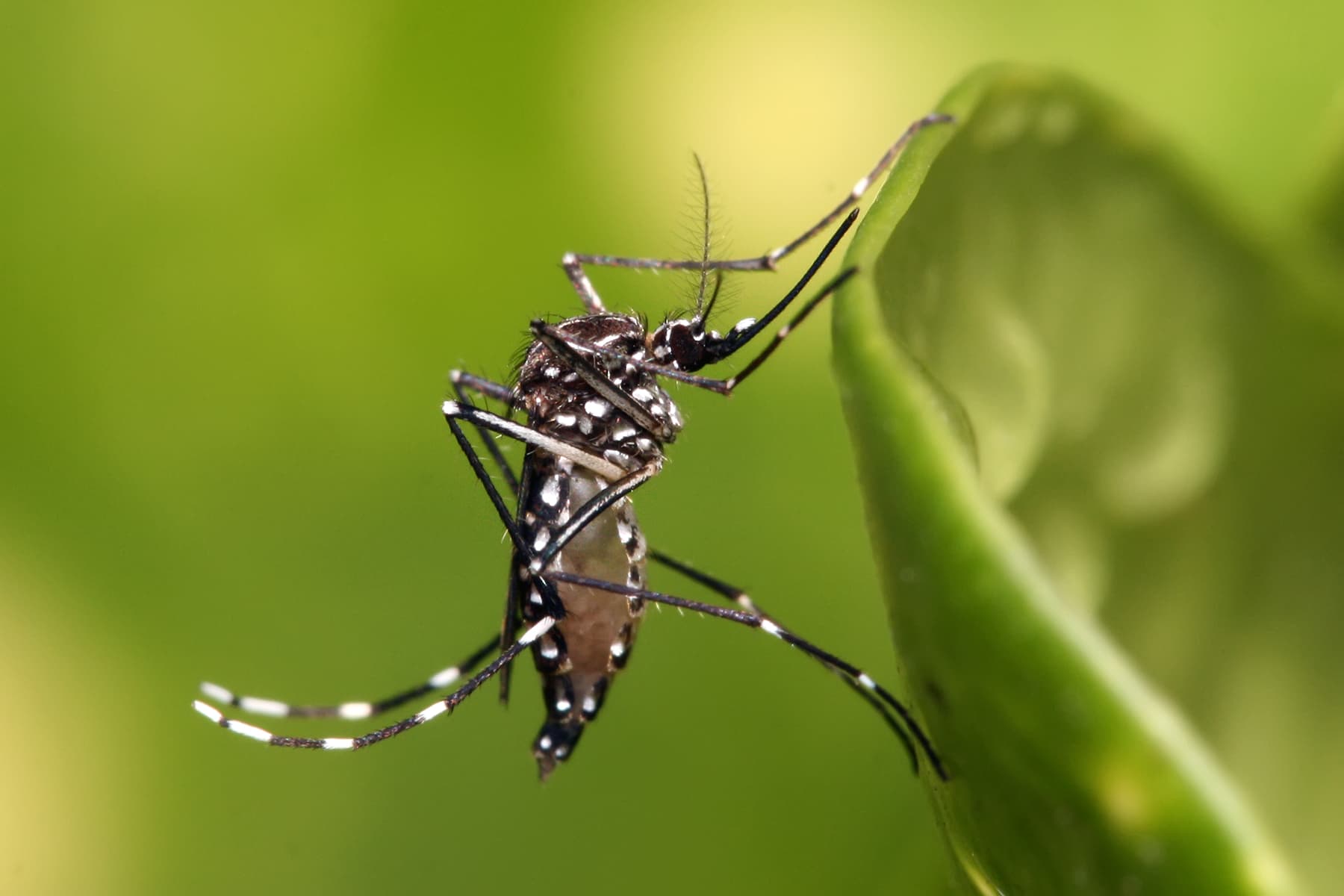
Top 10 Most Dangerous Animals in the World — That Kill the Most Humans Each Year
138 views · @admin

Top 10 Epic Hiking Trails Around the World
142 views · @admin
You might also want to rank…
 Top 10 Worst Air Quality Cities in the World (2026 Edition)
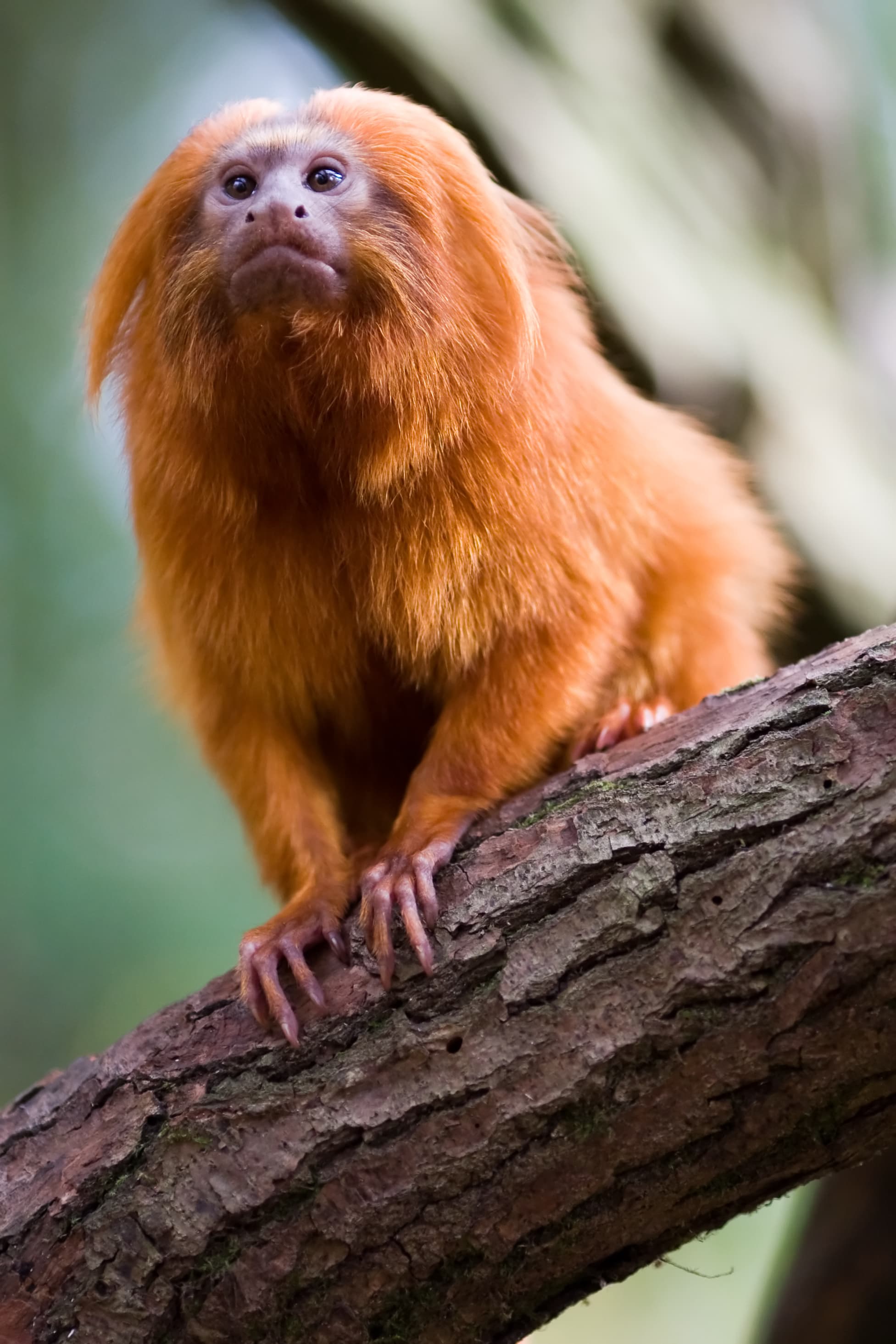 Top 10 Most Endangered Species
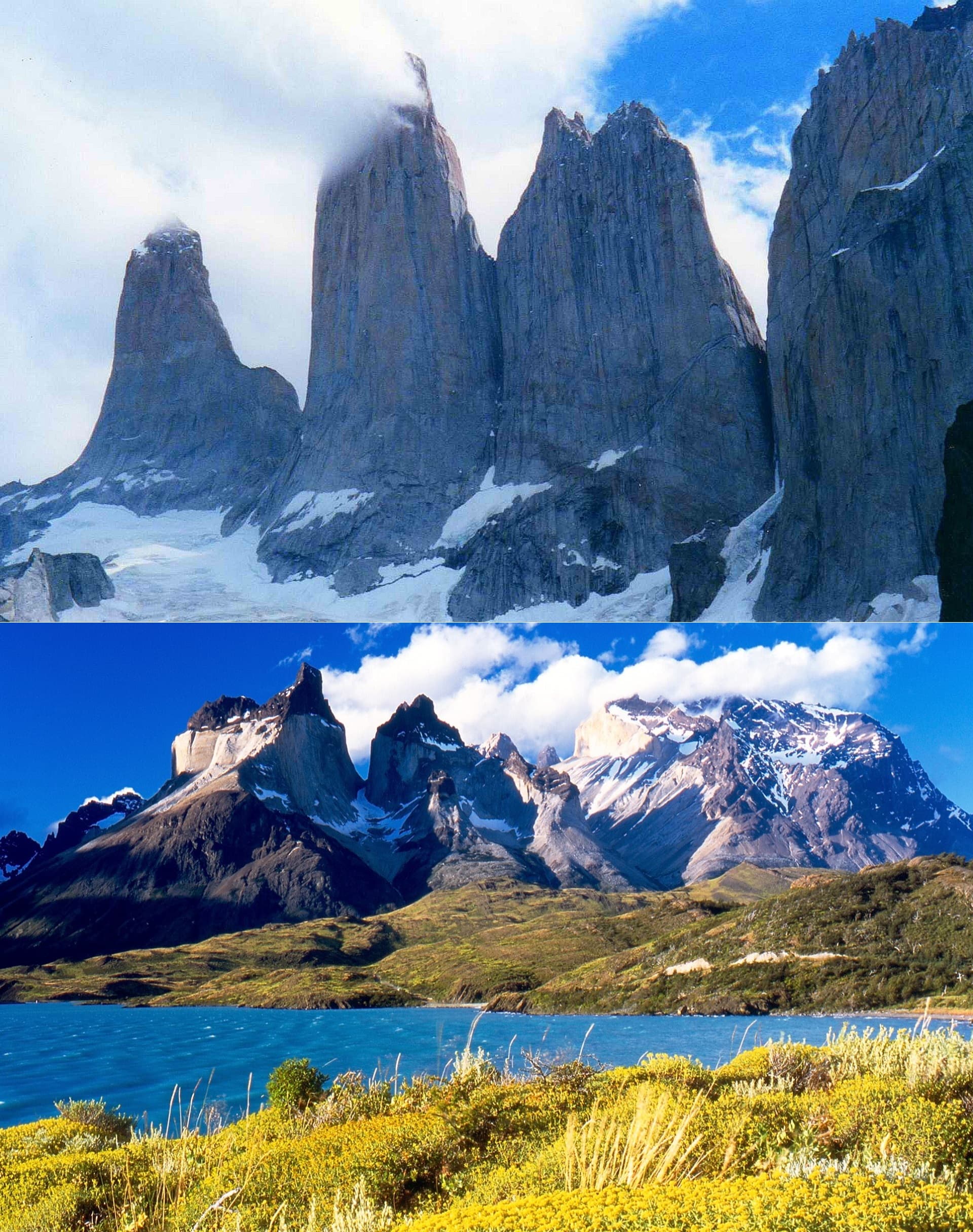 Top 10 Underrated National Parks You Need to Visit
Explore more Nature rankings on Top10Grid
People Also Explore
Because you're viewing Nature
Top 10 Underrated National Parks You Need to Visit
113 views · 0 votes
Top 10 Worst Environmental Disasters
115 views · 0 votes
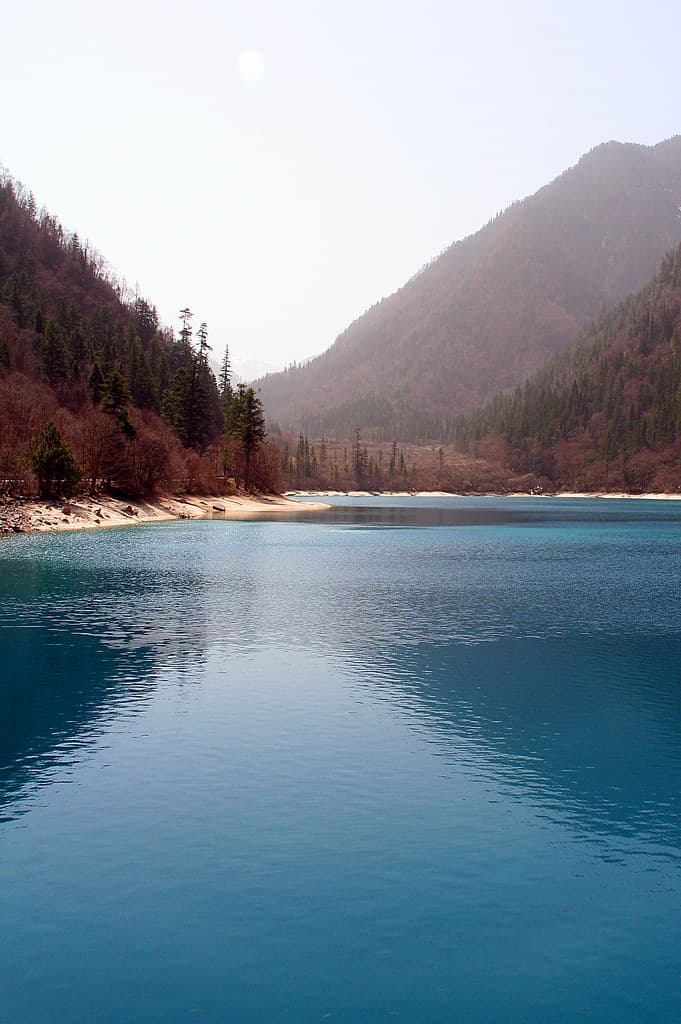
Top 10 Chinese Mountains
116 views · 0 votes
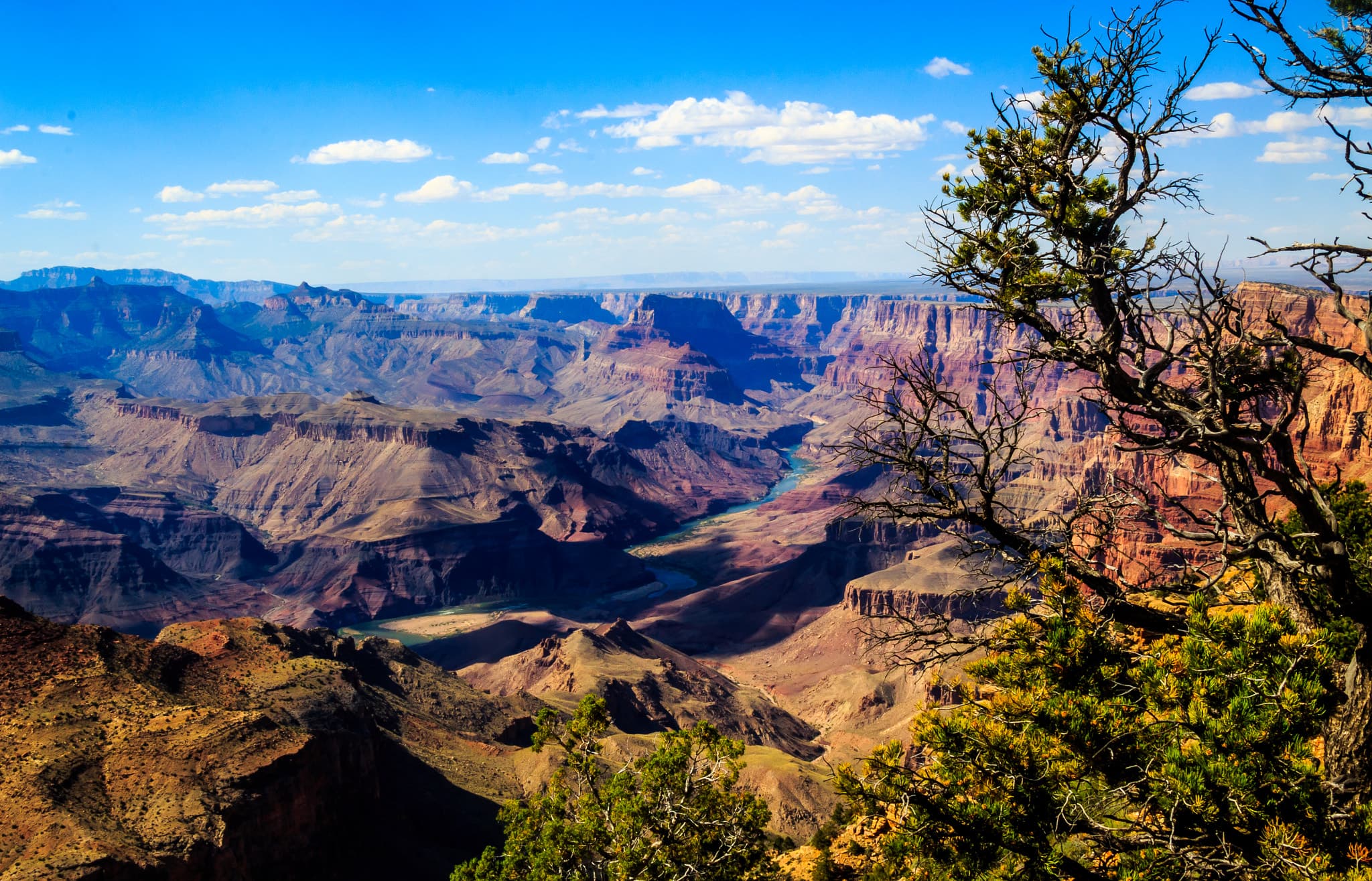
Top 10 Unforgettable Geological Formations: A Global Edition
116 views · 0 votes
Top 10 Worst Extinction Events in History
116 views · 0 votes
You might also like
NATURESame type
Top 10 Worst Ocean Pollution Sources
10 items
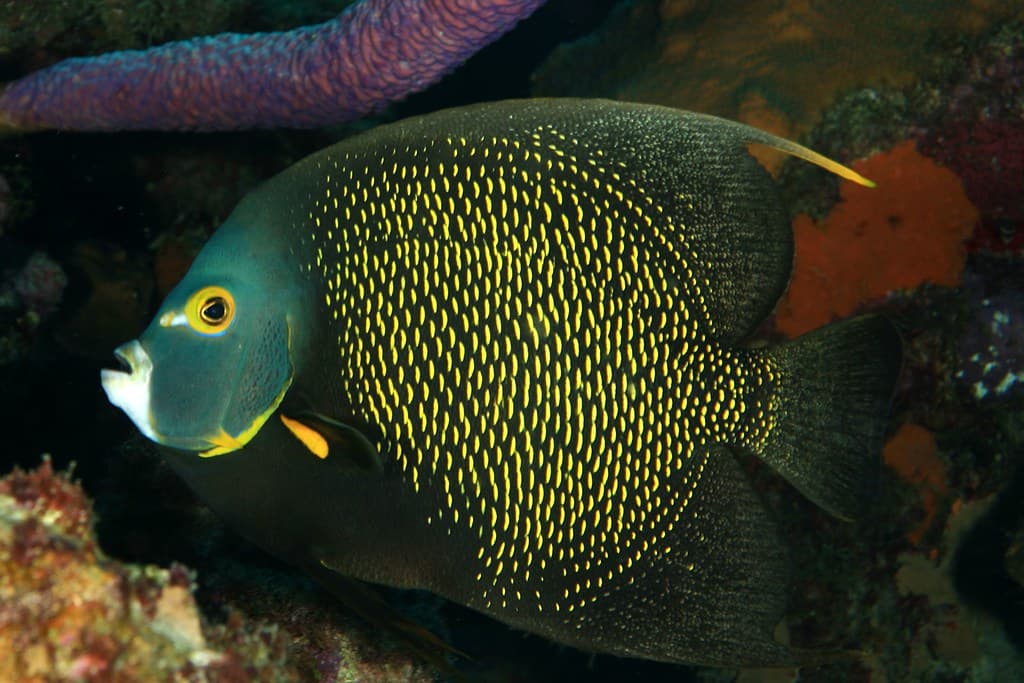
NATURESame type
Top 10 Most Beautiful Coral Reefs
10 items
NATURESame type
Top 10 Endangered Species We Could Still Save in 2026
10 items

NATURESame type
Top 10 Most Controversial Conservation Policies
10 items

NATURESame type
Top 10 Most Debated Climate Change Effects
10 items
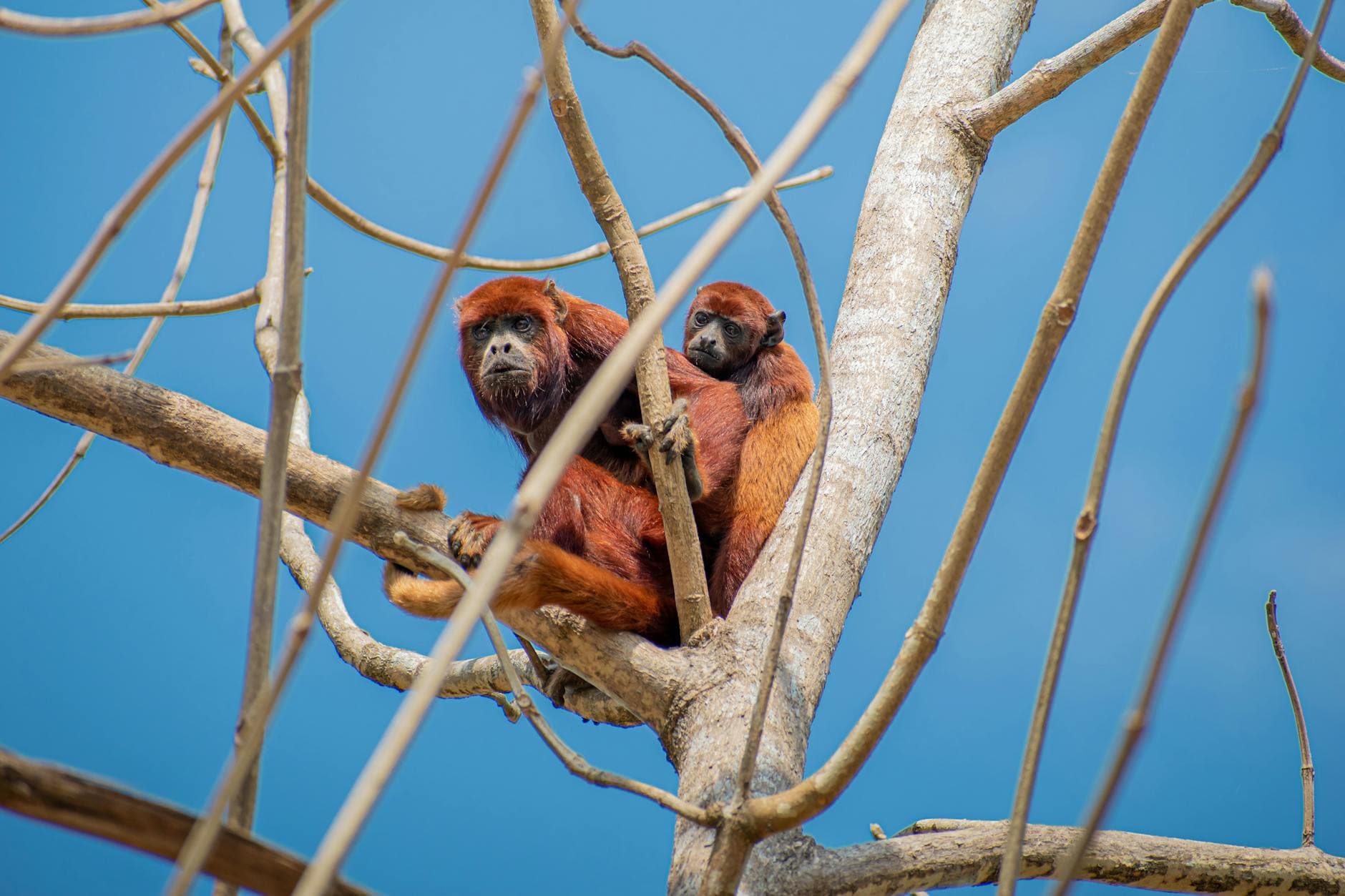
NATURESame type
Top 10 Worst Deforestation Hotspots
10 items
More in Nature
See all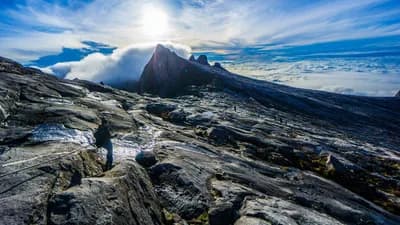
Explore Malaysia's Wild Side: The Top 10 National Parks for Adventure & Nature Lovers
10 items · 132 views
Top 10 Most Beautiful Forests in the World to Visit in 2026
10 items · 133 views

Taiwan's 10 Most Stunning National Parks & Nature Areas to Visit in 2026
10 items · 137 views
Top 10 Most Dangerous Animals in the World — That Kill the Most Humans Each Year
10 items · 138 views