









Top 10 Leading Causes of Death Worldwide (WHO 2025)
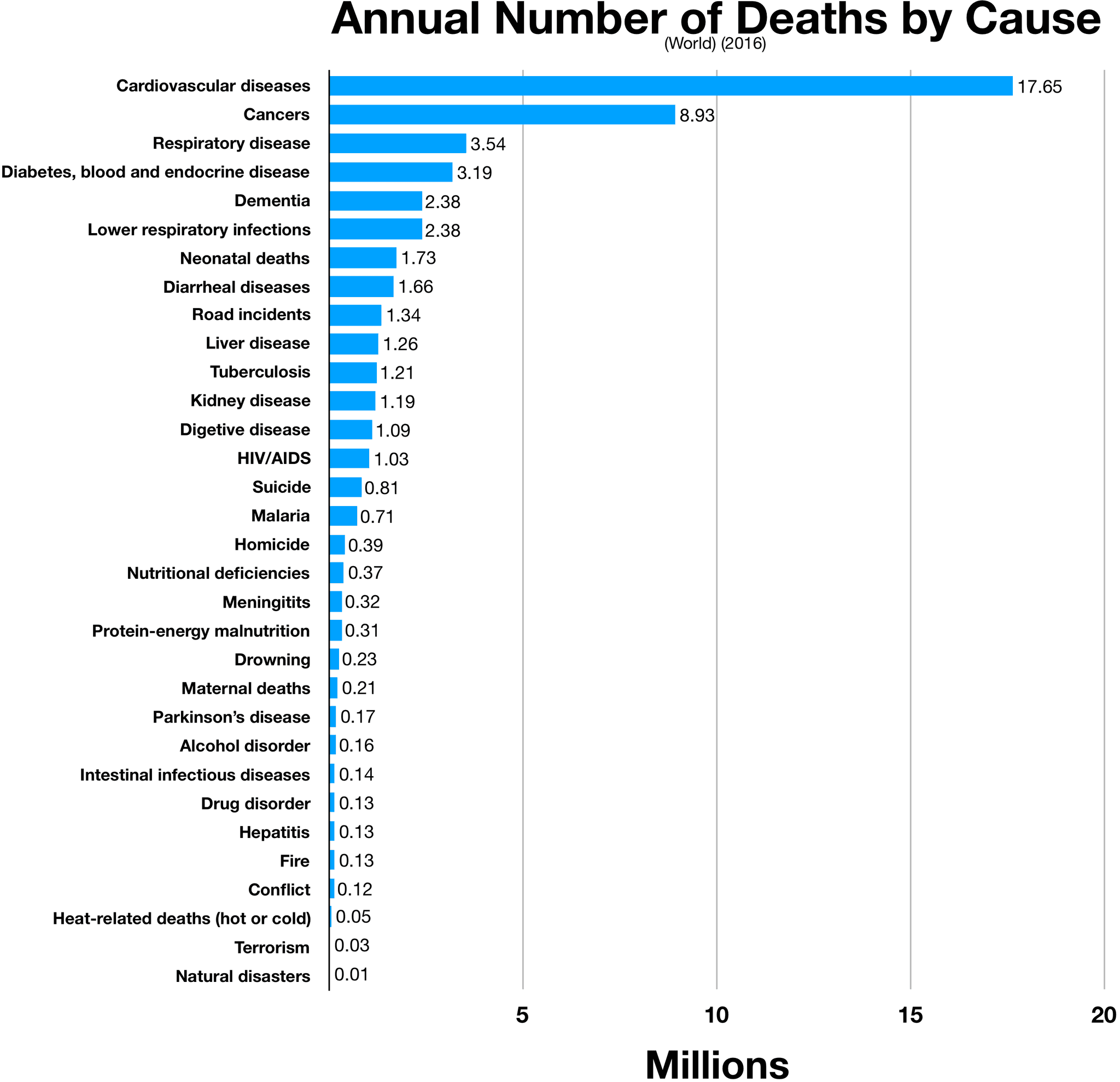
Roughly 57 million people die worldwide each year, and just ten conditions account for more than half of that toll. According to WHO Global Health Estimates, these ten causes account for around 53% of all deaths, with cardiovascular disease alone claiming close to 18 million lives annually. Mortality disparities are stark: wealthy nations face escalating deaths from chronic conditions like cancer and diabetes, while lower-income countries struggle under the added burden of infectious diseases including respiratory infections and tuberculosis. These inequities demand urgent attention from policymakers, healthcare professionals, and informed citizens alike. This guide breaks down the world's ten leading causes of death by examining regional prevalence patterns, identifying modifiable risk factors, and reviewing evidence-based prevention strategies for each condition. Discover not only why these diseases remain leading killers, but how understanding them empowers meaningful intervention at every level of public health.
2025430 views
Top10Grid rankings are decided by votes, not algorithms — use the buttons below to move this list.
Current Rankings
Vote items up or down — rankings update instantly
Get the weekly health rundown
Only lists published since the last email. Join the early readers.
- Only Top 10s published in the last 7 days
- One email a week — and none at all in a week with nothing new
- Unsubscribe in one click
No spam. One email per week. Unsubscribe anytime.
About WHO Global Health Estimates
What are WHO Global Health Estimates?
WHO Global Health Estimates (GHE) provide standardized, comparable data on mortality and disease burden for 190+ countries. They are updated annually and used by health policymakers worldwide.
Why do these numbers differ from country-specific data?
GHE uses modeling to fill data gaps in countries with incomplete vital registration systems. This ensures global comparability even where local reporting is incomplete.
Are these rankings current?
Yes — these figures reflect the most recent WHO Global Health Estimates published for 2025.
Preventable Now vs. No Cure Yet
Several causes here — diarrhoeal disease, tuberculosis, and lower respiratory infections — are overwhelmingly preventable or curable with existing, cheap interventions: vaccines, oral rehydration, antibiotics. Others, including Alzheimer's disease and most advanced cardiovascular disease and cancer, currently have no cure and rely on earlier detection and risk reduction rather than treatment. Knowing which bucket a cause falls into changes what "doing something about it" actually looks like: public health infrastructure for one group, screening and lifestyle change for the other.
This Global Top 10 Blends Two Very Different Countries' Realities
In high-income countries, this list is dominated by heart disease, stroke, cancers, and dementia. In low-income countries, lower respiratory infections, diarrhoeal disease, and tuberculosis claim a far larger share of deaths than their position in this combined global ranking suggests. The global top 10 is an average of two quite different mortality profiles, not a single consistent picture for any one country — a national health ministry and a global health body would draw different priorities from the same list.
These Categories Overlap More Than They Look
Diabetes is a good example: it's credited here with about 1.6 million direct deaths, but it also drives large numbers of deaths that get coded elsewhere on this list, under heart disease, stroke, and kidney disease, since diabetes is a major risk factor for all three. These are causes of death as coded on a death certificate, not fully independent buckets — the real health burden of a condition like diabetes is larger than its own line item on this list suggests.
Readers Also Ranked
More Lists Like This

Top 10 Pregnancy Apps Every Expecting Mom Needs
- #1The Bump
- #2What to Expect
- #3Ovia Pregnancy Tracker

Top 10 Best Stretching Routines for 2026
- #1PNF Stretching (Proprioceptive Neuromuscular Facilitation)
- #2Dynamic Warm-Up Stretching
- #3Yoga-Based Flexibility Flow
Top 10 Worst Sugar Alternatives
- #1Aspartame (NutraSweet, Equal)
- #2Sucralose (Splenda)
- #3High-Fructose Corn Syrup

Top 10 Fitness Habits That Science Says Actually Deliver Results — No Fads
- #1Resistance/Strength Training 3x Per Week
- #28,000-10,000 Steps Per Day
- #3Progressive Overload (Consistently Increase Challenge)
Frequently asked questions
What are the top three leading causes of death worldwide in 2025 according to WHO?
Ischemic heart disease, stroke, and chronic obstructive pulmonary disease (COPD) are projected to remain the top three causes of death globally in 2025.
How does the WHO determine the leading causes of death?
WHO analyzes mortality data from member states, using standardized coding (ICD) to classify causes and estimate death rates globally.
Has COVID-19 fallen off the top 10 list for 2025?
Yes, COVID-19 is no longer expected to be in the top 10 leading causes of death in 2025 due to reduced severity and widespread immunity.
How can I reduce my risk of the top causes of death like heart disease and stroke?
Adopting a healthy diet, regular exercise, avoiding tobacco, and managing blood pressure and cholesterol can significantly lower your risk.
Are the top causes of death the same in low-income and high-income countries?
No, low-income countries see more deaths from infectious diseases and maternal conditions, while high-income countries have more non-communicable diseases like heart disease and cancer.
Discussion
Have a take on this ranking?
Comments are how the argument actually happens here. Posting one needs a free account — it takes about a minute.
No comments yet.
The first comment sets the terms of the argument.
Would your top 10 look different?
Publish your own ranking of this topic. Your list gets its own page, and readers vote on it the same way you just voted on this one.
Build your own Top 10You might also want to rank…
 Top 10 Best Vitamins for Daily Use
 Top 10 Best Yoga Practices for Beginners
 Top 10 Most Popular Skincare Ingredients of 2025
 Top 10 Daily Habits of the World’s Longest-Living People (Blue Zones Secrets)
Explore more Health rankings on Top10Grid
People Also Explore
Because you're viewing Health

Top 10 GLP‑1 Medications for Weight Loss & Metabolic Health (2026)
127 views · 0 votes

Top 10 Most Transformative Self-Help Books of All Time
130 views · 0 votes

Top 10 Best Protein Sources Ranked
131 views · 0 votes

10 Skincare Products Dermatologists Use Themselves (2026)
131 views · 0 votes

Top 10 Fitness Trends Taking Over Gyms in 2026
134 views · 0 votes

Top 10 Best Mental Health Apps of 2025
135 views · 0 votes
You might also like
HEALTHSame type
Top 10 Yoga Retreats in India 2026
10 items

HEALTHSame type
Top 10 Worst Health Myths People Still Believe
10 items

HEALTHSame type
Top 10 Fitness Studios in Hong Kong 2026
10 items

HEALTHSame type
Top 10 Best HIIT Workouts
10 items
HEALTHSame type
Top 10 Best Maternity Hospitals & Pregnancy Services in Hong Kong 2026
10 items

HEALTHSame type
Top 10 Worst Fitness Industry Scams
10 items